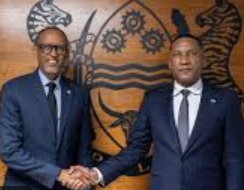
Out of talks between Botswana and Rwanda came several fresh pacts aimed at lifting industry and shifting
trade toward finished goods. With President Paul Kagame on a two-day trip, the nations sealed cooperation in farming-based production, factory output, along with internet-linked systems. Though separate in geography, their move ties economic paths more closely through shared projects.
One outcome opens doors for tech-backed farms; another links factories using updated standards. From Gaborone to Kigali, officials now back joint oversight that could reshape how value moves across borders.
Now things move faster under Botswana’s leader Duma Boko, who sees economic change as urgent. At the core of this fresh collaboration sit half a dozen tools – among them, a deal to prevent double taxation, alongside a pact focused on trade and investment flow. These aim to reduce expenses for companies working across borders. Though quiet in tone, the shift carries weight.
making things and adding value
Now things shift. Two countries promise change – no more just shipping out unprocessed resources. Teamwork kicks in through BITC joining forces with RDB. A fresh path opens. Goals align under one shared plan. Movement begins without fanfare. Progress takes shape quietly. Partnerships replace old habits. Focus turns toward value, not volume. Steps follow intent. Direction stays firm but unseen. Effort spreads behind the scenes
Establish Value Chains: Focus on turning Botswana’s mineral wealth into finished goods domestically.
Start small with focused production lines – Botswana’s shift includes custom fabrication alongside specialized build sectors. Build through targeted workshops where detailed work matches national goals. Move forward using exacting methods instead of mass output, fitting into broader economic redesign. Shape progress by backing makers who craft specific components rather than general goods.
Start by using the African Continental Free Trade Area to link Gaborone with Kigali through smoother trade routes. Instead of barriers, imagine open roads where goods move freely across borders. Picture businesses thriving as paperwork fades and delays shrink. With AfCFTA in play, movement between cities becomes faster, simpler. One step at a time, access grows easier. Borders begin to feel less rigid. Trade flows like water, finding its path. Connections strengthen without force. Distance matters less when systems align. Seamless exchange rises from cooperation, not pressure.
Agro-processing Expansion
Nowhere is growth more visible than in farming, still vital for each nation’s economy. From Gaborone’s view, Kigali offers fresh ideas about livestock care – so copying some methods could lift local food zones higher.
Out near Pandamatenga, work continues on a big grain drying setup – funded at 63 million pula – that could shape how nearby areas handle farming output together. This isn’t just about one site; it might set patterns across the region through joint efforts.
After sending packaged Moringa to Germany earlier this year, Botswana now looks toward East Africa. Moving beyond one success, the country plans to send more plant-based health products abroad. Instead of stopping at a single shipment, officials are pushing further into new markets. Not just sticking to raw crops anymore, they’re focusing on value-added goods. While Europe was first, attention is shifting eastward. With growing interest in natural remedies, demand might rise. Rather than waiting, producers are preparing batches for regional buyers. Because momentum exists, expansion feels like a logical next move.
Regional Connectivity
Right away, people can move freely between both nations after signing a deal on shared air routes. Citizens now cross borders without visas since the agreement started right away. Business growth along fresh trade paths depends heavily on this movement. Private companies take charge building these corridors because access improved suddenly.
One step back, then forward – that’s how Trade and Entrepreneurship Minister Tiroyaone Ntsima sees the new arrangement meant to lift slipping trade numbers. Instead of standing still, Botswana moves with another pact, joining earlier ones made with Zimbabwe around April’s end; behind it all, a quiet push to grow into a key industrial and transport node across the region.