U.S. redirects nearly 70 vessels amid month-long Hormuz disruption

Table of Content

Far from their usual paths, close to 70 cargo ships have been steered away by U.S. forces over the last

thirty days. Tensions near the crucial Strait of Hormuz – key for global oil movement – pushed the change, say naval experts and defense sources.


Facing rising tensions in the Gulf, ships are being redirected. With strikes hitting vessels and warnings about power systems spreading, anxiety builds. Not just local stability is at stake – global fuel supplies could waver too. Routes shift because dangers grow. Oil markets watch closely, sensing pressure ahead.


Facing rising dangers at sea, U.S. Navy units work alongside global port monitors, nudging freight operators toward safer lanes or holding departures a while – shielding people and goods. Routes shift when warnings come. Some captains wait. Others turn early. Each move ties back to alerts shared across offices and decks.


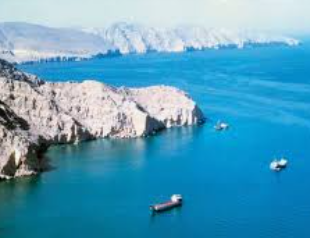
A narrow channel between Iran and Oman, the Strait of Hormuz moves about one out of every five barrels of globally traded oil – so trouble there rattles energy supplies far beyond the area. Trouble lasting weeks or months might push up freight charges, make insurers charge more, while also tugging fuel rates higher across countries.


Freedoms on the water matter. To keep trade routes open, U.S. leaders put safeguards in place. These steps come before trouble, not after. Ships need clear paths to move safely across seas. Tension in coastal areas worries those watching closely. Anyone acting rash might tip balance in fragile zones. Calm choices help prevent escalation. Stability at sea depends on restraint from everyone involved.

support@paulkizitoblog.com

support@paulkizitoblog.com http://paulkizitoblog.com

Leave a Reply

Your email address will not be published. Required fields are marked *

Recent News

Trending News

Editor's Picks

U.S. redirects nearly 70 vessels amid month-long Hormuz disruption

Far from their usual paths, close to 70 cargo ships have been steered away by U.S. forces over the last thirty days. Tensions near the crucial Strait of Hormuz – key for global oil movement – pushed the change, say naval experts and defense sources. Facing rising tensions in the Gulf, ships are being redirected. With strikes hitting vessels and warnings about power systems spreading, anxiety builds. Not just local stability is at stake – global fuel supplies could waver too. Routes shift because dangers grow. Oil markets watch closely, sensing pressure ahead. Facing rising dangers at sea, U.S. Navy units work alongside global port monitors, nudging freight operators toward safer lanes or holding departures a while – shielding people and goods. Routes shift when warnings come. Some captains wait. Others turn early. Each move ties back to alerts shared across offices and decks. A narrow channel between Iran and Oman, the Strait of Hormuz moves about one out of every five barrels of globally traded oil – so trouble there rattles energy supplies far beyond the area. Trouble lasting weeks or months might push up freight charges, make insurers charge more, while also tugging fuel rates higher across countries. Freedoms on the water matter. To keep trade routes open, U.S. leaders put safeguards in place. These steps come before trouble, not after. Ships need clear paths to move safely across seas. Tension in coastal areas worries those watching closely. Anyone acting rash might tip balance in fragile zones. Calm choices help prevent escalation. Stability at sea depends on restraint from everyone involved. support@paulkizitoblog.com