Diezani Alison-Madueke walks free as decade-long UK bribery case collapses

Table of Content

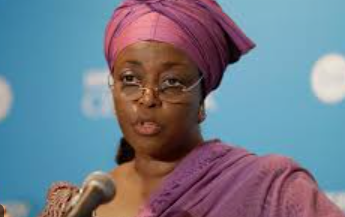
A decade-long British corruption probe ended Wednesday not with a conviction but with a clean sweep of acquittals, as a London jury cleared former Nigerian Petroleum Minister Diezani Alison-Madueke of all six bribery-related charges following one of the most closely watched international corruption cases ever brought against a Nigerian public official.

The Southwark Crown Court jury deliberated for more than 46 hours before returning not-guilty verdicts on five counts of accepting bribes and one count of conspiracy to commit bribery. Alison-Madueke, 65, who served as petroleum minister under President Goodluck Jonathan from 2010 to 2015 and briefly held the presidency of OPEC, had denied every allegation throughout the trial, which opened in January.

British prosecutors, working through the National Crime Agency, had built their case around the suggestion that Alison-Madueke enjoyed what they called a life of luxury in London, financed by oil and gas figures seeking favourable treatment and lucrative contracts in Nigeria’s petroleum sector. The numbers laid out in court were striking: more than £2 million spent at Harrods, around £4.6 million put toward refurbishing properties in London and Buckinghamshire, access to a £2.8 million home in Marylebone, residences overlooking Regent’s Park, and a large property in Buckinghamshire — much of it, prosecutors alleged, funded through payment cards linked to Nigerian businessman Kolawole Aluko and his company.

She stood trial alongside two co-defendants. Oil executive Olatimbo Ayinde faced one count of bribery connected to Alison-Madueke and another involving the bribery of a foreign public official. Her brother, Doye Agama, was charged with conspiracy to commit bribery over payments allegedly funnelled to his church. Both denied the charges and were acquitted alongside her.

The defence centred on a structural argument: that Alison-Madueke had limited personal authority over the awarding of oil contracts, since decisions in Nigeria’s petroleum sector passed through multiple agencies — chiefly the Nigerian National Petroleum Corporation — before ever reaching the minister’s desk. That argument was bolstered by a written statement from former President Goodluck Jonathan, read in open court, in which he told the jury it was not unusual for third parties to cover ministers’ expenses during official overseas engagements, and confirmed he had personally approved her use of private jets on certain trips.

The verdict represents a significant setback for British authorities, who opened their investigation into Alison-Madueke more than ten years ago and treated the case as a flagship effort to hold a former African government official accountable for alleged corruption on British soil — an effort that, after a decade and a multi-week trial, ended in full acquittal on every charge.

support@paulkizitoblog.com

support@paulkizitoblog.com http://paulkizitoblog.com

Leave a Reply

Your email address will not be published. Required fields are marked *

Recent News

Trending News

Editor's Picks

Diezani Alison-Madueke walks free as decade-long UK bribery case collapses

A decade-long British corruption probe ended Wednesday not with a conviction but with a clean sweep of acquittals, as a London jury cleared former Nigerian Petroleum Minister Diezani Alison-Madueke of all six bribery-related charges following one of the most closely watched international corruption cases ever brought against a Nigerian public official. The Southwark Crown Court jury deliberated for more than 46 hours before returning not-guilty verdicts on five counts of accepting bribes and one count of conspiracy to commit bribery. Alison-Madueke, 65, who served as petroleum minister under President Goodluck Jonathan from 2010 to 2015 and briefly held the presidency of OPEC, had denied every allegation throughout the trial, which opened in January. British prosecutors, working through the National Crime Agency, had built their case around the suggestion that Alison-Madueke enjoyed what they called a life of luxury in London, financed by oil and gas figures seeking favourable treatment and lucrative contracts in Nigeria’s petroleum sector. The numbers laid out in court were striking: more than £2 million spent at Harrods, around £4.6 million put toward refurbishing properties in London and Buckinghamshire, access to a £2.8 million home in Marylebone, residences overlooking Regent’s Park, and a large property in Buckinghamshire — much of it, prosecutors alleged, funded through payment cards linked to Nigerian businessman Kolawole Aluko and his company. She stood trial alongside two co-defendants. Oil executive Olatimbo Ayinde faced one count of bribery connected to Alison-Madueke and another involving the bribery of a foreign public official. Her brother, Doye Agama, was charged with conspiracy to commit bribery over payments allegedly funnelled to his church. Both denied the charges and were acquitted alongside her. The defence centred on a structural argument: that Alison-Madueke had limited personal authority over the awarding of oil contracts, since decisions in Nigeria’s petroleum sector passed through multiple agencies — chiefly the Nigerian National Petroleum Corporation — before ever reaching the minister’s desk. That argument was bolstered by a written statement from former President Goodluck Jonathan, read in open court, in which he told the jury it was not unusual for third parties to cover ministers’ expenses during official overseas engagements, and confirmed he had personally approved her use of private jets on certain trips. The verdict represents a significant setback for British authorities, who opened their investigation into Alison-Madueke more than ten years ago and treated the case as a flagship effort to hold a former African government official accountable for alleged corruption on British soil — an effort that, after a decade and a multi-week trial, ended in full acquittal on every charge. support@paulkizitoblog.com

Nigeria’s Quiet Absence from a Summit Reshaping Africa’s Global Standing

ABUJA / ÉVIAN-LES-BAINS, June 17 When France drew up its guest list for this year’s G7 Summit in Évian-les-Bains, the invitations extended to non-member states told their own story about which African capitals currently hold Western attention. Kenya secured a seat. Egypt did too. South Africa was conspicuously and controversially left off entirely. Nigeria — Africa’s largest economy and most populous nation — was simply not part of the conversation at all. support@paulkizitoblog.com

What Is Tren de Aragua, Why Is Washington Hunting It — and Why Africa Should Pay Attention

It began as a prison gang in a crumbling Venezuelan detention facility, evolved into one of the most violent transnational criminal networks in the Western Hemisphere, and last Friday found its leader killed by a U.S. military strike. Tren de Aragua is no longer a South American problem. And if Africa’s security establishments are not already tracking it, they are behind. support@paulkizitoblog.com