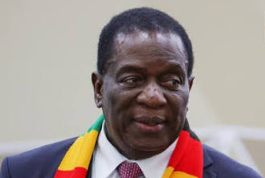
Zimbabwe’s sweeping constitutional amendment extending President Emmerson Mnangagwa’s rule to 2030 is facing mounting legal and civil society opposition, even after being formally enacted and gazetted as law earlier this month.
The Constitution of Zimbabwe Amendment (No. 3) Act, signed by Mnangagwa on July 7, replaces direct popular election of the president with selection by a joint sitting of Parliament and extends terms for the presidency, Parliament and local authorities from five to seven years, pushing back the next election from 2028 to 2030.
The government has maintained no referendum was required, relying on legal advice from the Attorney-General, arguing the changes do not touch constitutionally protected provisions. Opposition figures, civil society groups and constitutional scholars disagree, citing a section of the constitution that they say requires a public referendum for amendments affecting presidential term limits and the method of electing the head of state. The Law Society of Zimbabwe has published a legal analysis backing that view specifically regarding term extensions for the sitting president.
Constitutional lawyer Lovemore Madhuku, who leads the National Constitutional Assembly, has filed court challenges disputing the amendment’s procedural validity; his case was dismissed on procedural grounds by the Constitutional Court. Rights lawyer Douglas Coltart has separately warned that drafting inconsistencies introduced during the Senate’s amendments could create a legal loophole letting a parliamentary-selected replacement president serve a full fresh seven-year term rather than completing a predecessor’s unexpired term.
Human Rights Watch said this week that authorities intensified a crackdown on critics during the amendment process, documenting reports of police and unidentified armed men threatening, harassing and assaulting opposition politicians and civil society leaders, including during public hearings on the bill. The bill passed Zimbabwe’s National Assembly on June 18 by 216 votes to 42 and the Senate on June 24 by 75 votes to 4, following a ZANU-PF party resolution in October 2025 calling for Mnangagwa’s tenure to be extended for continuity and stability.