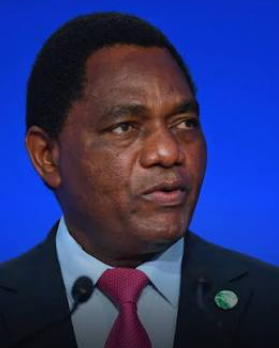
Voting got underway across Zambia on Thursday in a national election that most observers expect President Hakainde Hichilema to win comfortably, even as rising living costs have eroded some public goodwill toward his government.
Hichilema, in office since 2021, is campaigning largely on his handling of the economy. He negotiated Zambia’s exit from a sovereign default and oversaw a period of macroeconomic recovery for the copper-dependent nation. His most serious rival is Brian Mundubile, a longtime lawmaker running for president for the first time, who heads an opposition coalition drawing support from allies of the late Edgar Lungu, the man Hichilema unseated five years ago. A dozen or so additional candidates are also standing.
Roughly 8 million of Zambia’s 22 million citizens are eligible to cast ballots in the single-day vote, which will simultaneously determine seats in parliament and local councils. The electoral body has said outcomes should be known by early next week.
To win outright, a presidential candidate must clear the 50% threshold; otherwise the race goes to a second round.
Campaigning has unfolded under a cloud of accusations from opposition figures that state agencies have been used to pressure political opponents — charges the ruling party rejects. A police search of opposition offices shortly before polling day drew particular criticism from the Tonse Alliance, which called it politically motivated. Watchdog group Freedom House classifies Zambia as only “partly free,” pointing to structural disadvantages opposition parties face even amid competitive elections.
Adding to the charged atmosphere, a bitter standoff between Lungu’s relatives and Zambian authorities over funeral arrangements followed his death abroad last year. Hichilema, notably, was himself jailed for months on treason allegations back when he was in opposition under Lungu’s rule.
Market watchers largely anticipate a Hichilema win and are instead focused on whether a renewed mandate would let him translate improved economic indicators into tangible job creation. His initial rise to power in 2021 represented just the third time Zambia has seen power pass to an opposition figure since multiparty politics resumed decades ago.