Romania began a controlled shutdown of the second and final reactor at its Cernavoda nuclear plant on Thursday, as a severe drought pushed the Danube River to record-low levels needed for cooling.
State nuclear operator Nuclearelectrica said the decision followed a continued, sharp drop in the Danube’s water level, leaving both of Cernavoda’s 700-megawatt units offline. The plant, Romania’s only nuclear facility, normally supplies about a fifth of the country’s electricity and relies on river water to cool its reactors.
Plant director Romeo Urjan said the facility was not expected to resume operations for at least ten days, describing the process as a controlled and safe shutdown with no impact on nuclear safety.
The closure follows weeks of extreme heat and scant rainfall that have pushed flow rates across nearly two-thirds of the Danube to their lowest levels in more than three decades for the month of July, according to an analysis by the EU’s Copernicus climate monitoring service.
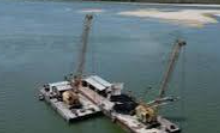
Authorities had tried to stave off a full shutdown after the plant’s first reactor was taken offline in late July. Romania’s military blasted rock from the riverbed and sank four barges loaded with stone near the Danube’s Bala Canal in an attempt to redirect water flow toward the plant’s intake, at a cost of more than 2 million euros ($2.3 million). The effort ultimately fell short as water levels kept receding.
Acting Prime Minister Ilie Bolojan declared a nationwide energy-sector state of alert for August after the first reactor closure. The energy ministry said it expects higher wind power output and the return of a coal-fired unit to help offset the shortfall, alongside increased electricity imports from Bulgaria and Ukraine. Authorities have also urged reduced electricity use during peak evening hours, and dozens of large industrial consumers have cut output or scheduled maintenance to ease demand. Restrictions have additionally been placed on water use for agricultural irrigation.