North Korea dismissed a U.S. decision to scale back joint military exercises with South Korea, with leader Kim Jong Un’s influential sister saying Pyongyang has no interest in the move and that the drills remain provocative regardless of their reduced size.
Kim Yo Jong said in a statement carried by state media that North Korea considered the cut to the drills unworthy of comment, adding that their “provocative, aggressive nature” would not change even though their duration and scale had been reduced. She also pointed to other recent U.S.-South Korean military activity and Seoul’s pursuit of nuclear-powered submarines as continuing sources of tension.
The comments were Pyongyang’s first public reaction to President Donald Trump’s call, made in a social media post on Sunday, for the allies to “substantially reduce” the drills, which he described as costly and sending an inappropriate and hostile signal toward North Korea.
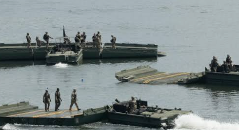
South Korea’s Joint Chiefs of Staff said earlier Wednesday that the two countries had agreed to shorten the ongoing Ulchi Freedom Shield exercise, which began Monday, so that it would conclude Friday instead of its originally scheduled end date of August 27. The allies also agreed to scale back some field training components.
The Pentagon said the changes would preserve core training objectives, with some exercises canceled or converted into simulations, and said there would be no degradation to U.S. readiness.
Trump has spoken favorably of his personal rapport with North Korean leader Kim Jong Un, telling reporters this week that Kim had “always treated me with great respect” and that Kim had responded to his overtures for talks, though he did not provide further details. The scaled-back drills were widely seen as an attempt to revive stalled diplomacy between Washington and Pyongyang.
Some analysts said Trump’s move may have been driven less by outreach to North Korea than by an effort to pressure South Korea over support for U.S. actions related to Iran, with Seoul and Washington said to be discussing possible South Korean contributions to help secure freedom of navigation in the Strait of Hormuz.
Wednesday’s exchange was not the first time the allies have scaled back or suspended joint drills. The U.S. and South Korea canceled a major joint exercise in 2018 following Trump’s first summit with Kim, and further reductions followed in subsequent years.