Real stories. Raw truth Fast accuracy

We cut through the spin and social media outrage to bring you deeply researched, independent journalism you can actually trust.

Qatar, Iran Discuss Framework for Hormuz Shipping Corridor and Mine Clearance.

Table of Content

Qatar and Iran discussed on Thursday a proposed interim framework for the Strait of Hormuz, including a temporary joint shipping corridor and a project to clear mines from the waterway, according to a statement from Qatar’s Foreign Ministry.

Qatari Prime Minister and Foreign Minister Sheikh Mohammed bin Abdulrahman Al Thani held talks in Tehran with Iranian Foreign Minister Abbas Araghchi, addressing efforts to de-escalate regional tensions and create conditions for broader dialogue. Al Thani stressed the need to respect the sovereignty of neighboring countries and freedom of navigation, while underscoring continued diplomatic engagement to resolve outstanding disputes.

Araghchi expressed appreciation for Qatar’s ongoing mediation efforts, the ministry said. The discussions followed a similar framework Iran negotiated earlier this week with Oman, whose foreign minister, Sayyid Badr bin Hamad Albusaidi, described his talks in Tehran as constructive and said a corridor announcement, along with broader arrangements to restore safe navigation, could come soon.

The proposed arrangement envisions a temporary joint corridor as a precursor to a permanent administrative structure for the strait, alongside a joint Iran-Oman mine-clearing mission. That reference appeared to contradict a statement from President Donald Trump, who said the U.S. Navy had already located and neutralized all mines in international waters within the strait, warning that any vessel caught laying new mines would be destroyed.

Iran’s Islamic Revolutionary Guard Corps said Wednesday that Tehran and Muscat had reached agreement on their respective shares of the strait’s waters and revenue, though a senior Iranian source cautioned that no final deal had yet been concluded. Key details remain unresolved, including a timeline for implementation, the scope of additional regional states to be brought into talks, and Iran’s proposal to levy service charges for vessels transiting its side of the corridor — a toll arrangement that Washington and its Gulf allies may resist.

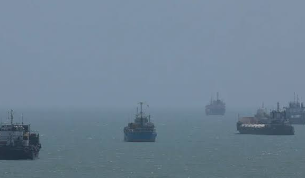
The diplomatic overture comes as shipping traffic through the strait has surged in recent days, with vessel transits rising sharply compared to two weeks earlier, suggesting easing tensions even as the broader ceasefire between Iran and the United States remains fragile following months of confrontation, including strikes on commercial vessels that collapsed an earlier truce in July.

support@paulkizitoblog.com

support@paulkizitoblog.com http://paulkizitoblog.com

Leave a Reply

Your email address will not be published. Required fields are marked *

Recent News

Trending News

Editor's Picks

Qatar, Iran Discuss Framework for Hormuz Shipping Corridor and Mine Clearance.

Qatar and Iran discussed on Thursday a proposed interim framework for the Strait of Hormuz, including a temporary joint shipping corridor and a project to clear mines from the waterway, according to a statement from Qatar’s Foreign Ministry. Qatari Prime Minister and Foreign Minister Sheikh Mohammed bin Abdulrahman Al Thani held talks in Tehran with Iranian Foreign Minister Abbas Araghchi, addressing efforts to de-escalate regional tensions and create conditions for broader dialogue. Al Thani stressed the need to respect the sovereignty of neighboring countries and freedom of navigation, while underscoring continued diplomatic engagement to resolve outstanding disputes. Araghchi expressed appreciation for Qatar’s ongoing mediation efforts, the ministry said. The discussions followed a similar framework Iran negotiated earlier this week with Oman, whose foreign minister, Sayyid Badr bin Hamad Albusaidi, described his talks in Tehran as constructive and said a corridor announcement, along with broader arrangements to restore safe navigation, could come soon. The proposed arrangement envisions a temporary joint corridor as a precursor to a permanent administrative structure for the strait, alongside a joint Iran-Oman mine-clearing mission. That reference appeared to contradict a statement from President Donald Trump, who said the U.S. Navy had already located and neutralized all mines in international waters within the strait, warning that any vessel caught laying new mines would be destroyed. Iran’s Islamic Revolutionary Guard Corps said Wednesday that Tehran and Muscat had reached agreement on their respective shares of the strait’s waters and revenue, though a senior Iranian source cautioned that no final deal had yet been concluded. Key details remain unresolved, including a timeline for implementation, the scope of additional regional states to be brought into talks, and Iran’s proposal to levy service charges for vessels transiting its side of the corridor — a toll arrangement that Washington and its Gulf allies may resist. The diplomatic overture comes as shipping traffic through the strait has surged in recent days, with vessel transits rising sharply compared to two weeks earlier, suggesting easing tensions even as the broader ceasefire between Iran and the United States remains fragile following months of confrontation, including strikes on commercial vessels that collapsed an earlier truce in July. support@paulkizitoblog.com