The confirmation and return of the final Israeli hostage’s remains marks a deeply significant moment in one of the most painful chapters of the Israeli-Palestinian conflict. After months of uncertainty, grief, and unanswered questions, the recovery brings closure to a family and removes one of the most emotionally charged obstacles to further diplomatic progress.
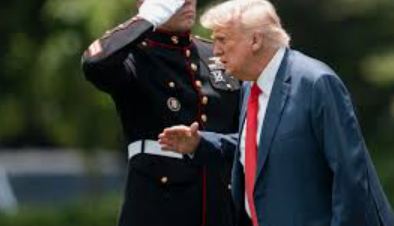
Former U.S. President Donald Trump has stated that Hamas played a role in helping locate the remains, a development that—while limited—signals that communication channels remain open even amid prolonged hostility. This cooperation occurred within the framework of existing ceasefire understandings and reflects a narrow but meaningful act of compliance with international mediation efforts.
At its core, this moment is not about political victory. It is about accountability, human dignity, and the recognition that unresolved humanitarian issues perpetuate conflict rather than resolve it.
Why This Moment Is Different
The hostage issue has long stood as a symbol of unresolved trauma on all sides. Until every captive was accounted for, meaningful progress toward stabilization was unlikely. With that chapter now closed, attention can shift from recovery to prevention—how to stop cycles of violence from repeating.
Trump’s call for Hamas to disarm follows this logic. The argument being advanced is straightforward: once ceasefire obligations have been met, the continued existence of an armed militant structure undermines any chance of long-term peace, reconstruction, or economic recovery in Gaza.
Disarmament, in this context, is being framed not as surrender, but as a transition—away from perpetual warfare and toward governance structures that prioritize civilian life over military confrontation.
Diplomacy Over Destruction
The recovery of the remains did not happen in isolation. It was the result of sustained international pressure and mediation involving regional and global actors. This underscores a crucial point: diplomacy, while slow and imperfect, continues to produce results that military force alone cannot.
The current approach emphasizes incremental steps—meeting agreed-upon obligations first, then addressing larger structural issues like security, reconstruction, and political legitimacy. This sequence matters. It reduces incentives for retaliation and increases the credibility of future agreements.
Calls for disarmament are being paired with discussions around incentives for compliance, including reconstruction assistance, humanitarian relief, and pathways away from violence for those willing to disengage from armed activity. These discussions remain complex and controversial, but they reflect an understanding that sustainable peace requires both firmness and foresight.
A Window That Won’t Stay Open Forever
This moment represents an opportunity, not a resolution. Distrust remains deeply entrenched. Many Israelis question whether disarmament is realistic. Many Palestinians fear that security demands will eclipse humanitarian needs. Both concerns are valid and must be addressed if progress is to endure.
What is clear, however, is that unresolved hostages and missing persons fuel anger, grief, and political paralysis. With that burden lifted, leaders now face fewer excuses for inaction.
Choosing What Comes Next
The return of the final hostage’s remains is a reminder of what prolonged conflict costs—not just in strategy or territory, but in human lives and lasting trauma. It also serves as a test of leadership: whether this moment will be used to deepen divisions or to pivot toward restraint and reconstruction.
Peace is rarely built in dramatic leaps. More often, it begins with small, uncomfortable steps taken at the right time. This may be one of them.
The world should not overstate what has happened—but it should not ignore it either. Moments like this are rare, fragile, and easily squandered. What follows will determine whether this development becomes a footnote in history or the foundation for something more durable.