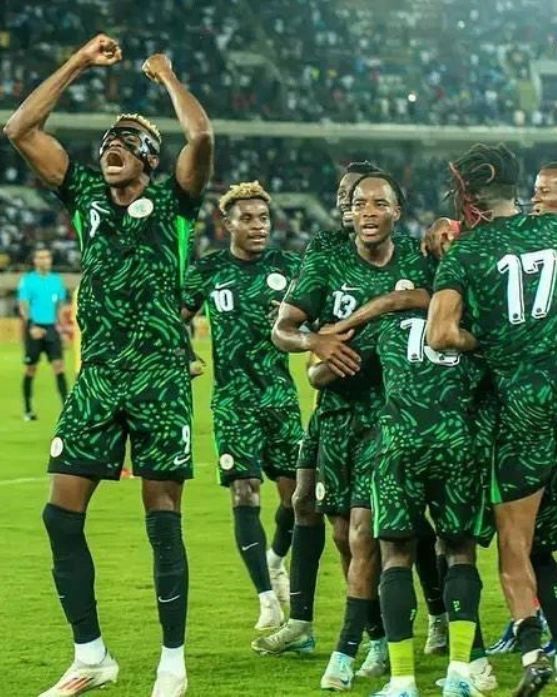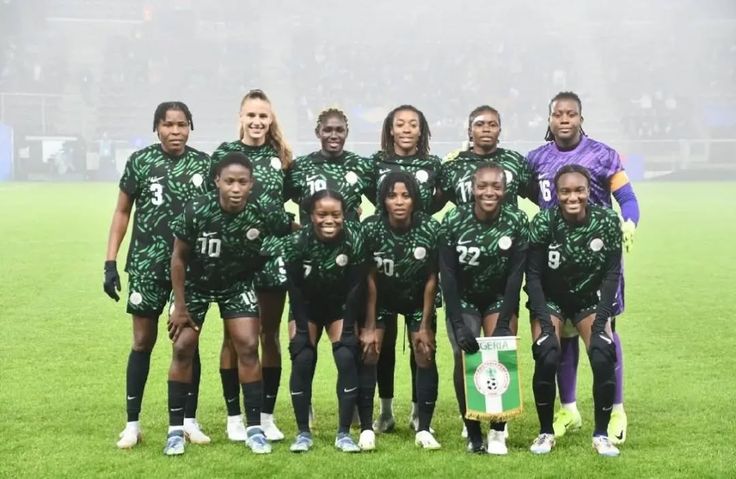
With major continental competitions now concluded, national football teams across Africa are turning their attention to the demanding road toward FIFA World Cup qualification, a phase that promises high stakes, tactical recalibration, and renewed national expectations.
The end of recent African tournaments has provided federations and coaching crews with a clearer picture of squad strengths, weaknesses, and emerging talents. For many nations, the transition from continental glory or disappointment to World Cup qualification is swift, leaving little room for complacency.
From Continental Lessons to Global Ambition
Continental competitions often serve as a proving ground, exposing tactical gaps and testing squad depth under pressure. Coaches are now mining those experiences to refine strategies for qualification matches that allow little margin for error.
Several teams that impressed on the continental stage are aiming to translate momentum into consistent performances, while others that underperformed are under pressure to regroup quickly. In World Cup qualifying campaigns, even traditionally dominant nations cannot rely solely on reputation, as smaller teams continue to close the competitive gap.
Tactical Adjustments and Squad Overhauls
As qualifiers approach, technical staffs are reassessing formations, player roles, and fitness levels. The physical demands of qualification—often involving long travel, difficult playing surfaces, and hostile atmospheres—require squads that are not only technically gifted but mentally resilient.
Injuries sustained during continental tournaments have also forced some teams into early squad reshuffles. Younger players who broke through during recent competitions are now being considered for more prominent roles, signaling a generational transition in several national teams.
Domestic Leagues and Player Availability
World Cup qualification in Africa often intersects with busy domestic and international club calendars. National federations are engaging clubs more actively to manage player workload and availability, particularly for Europe-based stars whose fitness is critical to qualification hopes.
At the same time, coaches are placing renewed emphasis on home-based players, especially those familiar with local conditions. This approach is seen as vital for away fixtures played in challenging environments.
Pressure Beyond the Touchline
For many African nations, World Cup qualification carries political, social, and economic significance beyond football. Governments, supporters, and sponsors closely monitor progress, intensifying pressure on players and coaches alike.
Qualification campaigns also influence long-term football development. Success can unlock funding, infrastructure projects, and youth programs, while failure often leads to administrative shake-ups and coaching changes.
A Narrow Path to the Global Stage
Africa’s limited number of World Cup slots means competition remains fierce. Traditional powerhouses face determined challengers, while emerging football nations view qualification as a realistic, historic opportunity rather than a distant dream.
Every point gained or dropped could define a nation’s fate, making early matches especially crucial. Coaches are therefore prioritizing disciplined starts, defensive solidity, and tactical flexibility.
The Road Ahead
As African teams shift fully into qualification mode, attention will turn to preparation camps, friendly matches, and final squad selections. Supporters across the continent are already rallying behind their teams, aware that the journey to the World Cup is as much about endurance as it is about talent.
What lies ahead is a rigorous test of planning, adaptability, and belief. For African football, the qualification phase represents not just a pathway to the global stage, but a reflection of how far the continent’s game continues to evolve.