Australia has officially begun enforcing its world-first ban on social media accounts for users under 16 — a move that is already reshaping the global debate on online safety, tech regulation, and youth wellbeing. While the country positions itself as a pioneer in digital child protection, the ban has ignited controversy at home and abroad. Is it a bold step toward a safer internet, or a blunt tool that risks doing more harm than good?
In this article, we’ll break down what the ban actually does, why Australia pushed for it, and how it could reshape the online world for young people everywhere.
What the Ban Actually Does
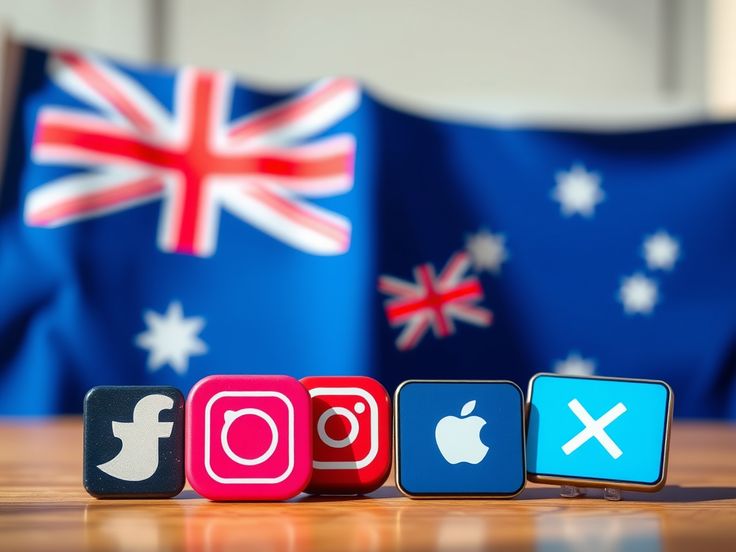
Under the new rules, social media platforms are prohibited from allowing users under 16 to hold accounts. Affected platforms span the digital landscape — Instagram, Facebook, TikTok, Snapchat, YouTube, X, Reddit, Twitch, Threads, and others.
The law doesn’t punish children or their parents. Instead, the responsibility — and financial risk — falls entirely on tech companies. Platforms must use age-verification systems and remove under-16 accounts or face massive fines reaching tens of millions of dollars.
As of this week, many teens have already found their accounts disabled, and sign-ups blocked entirely.
Why Australia Pushed for It
Supporters argue the ban is overdue. They point to rising concerns about:
- cyberbullying
- addictive platform design
- self-esteem issues
- exposure to harmful content
- predatory behavior and online grooming
Proponents say today’s social media environment is simply too high-risk for developing minds, comparing the restriction to age limits on alcohol, driving, or voting. They view the ban as a protective measure — not a punishment.
Where the Ban Could Fall Short
But critics are quick to highlight the flaws.
1. Enforcement may be nearly impossible.
Teens are tech-savvy. VPNs, fake credentials, alternative platforms, or switching to messaging apps may undermine the law’s effectiveness.
2. It might push teens to less safe corners of the internet.
If banned from mainstream platforms, minors might flock to obscure apps with weaker moderation.
3. It may overlook deeper issues.
Some psychologists argue that restricting access doesn’t address mental-health concerns, screen overuse, or digital literacy.
4. Vulnerable groups may be hit hardest.
Many LGBTQ+ teens and marginalized youth rely on online communities for connection, support, and identity exploration.
What This Means for the Rest of the World
Make no mistake: global governments are watching. Countries in Europe and Asia have already hinted at considering similar rules. If Australia’s model proves workable, it could usher in a new era of age-restricted social media.
This puts tech companies at a crossroad:
Will they adapt with more rigorous age-verification tools — or fight these regulations, country by country?
The Big Question Ahead
This ban marks a new chapter in the global conversation about digital childhood. But it raises an unmistakably complex question:
Should the solution to online harms be less access — or better education, better design, and better oversight?
Australia has made its choice. The rest of the world will now watch to see how it plays out.
📚 References
- “Australia begins enforcing world-first teen social media ban” — Reuters Reuters
- “Millions of children and teens lose access to accounts as Australia’s world-first social media ban begins” — The Guardian The Guardian
- “Why is Australia banning social media for teenagers?” — Al Jazeera Al Jazeera+1
- “Australia’s social media ban for under-16s starts today. Here is what you should know” — ABC News ABC+1
- “Australia social media ban: when does it start, how will it work and what apps are being banned for under-16s?” — The Guardian (explainer) The Guardian+1
- “Meta starts blocking teens in Australia under social media ban” — Al Jazeera / AFP reporting Al Jazeera+1
- “Australia’s Social Media Ban Begins: Under 16s Booted From Apps” — Forbes Australia forbes.com.au