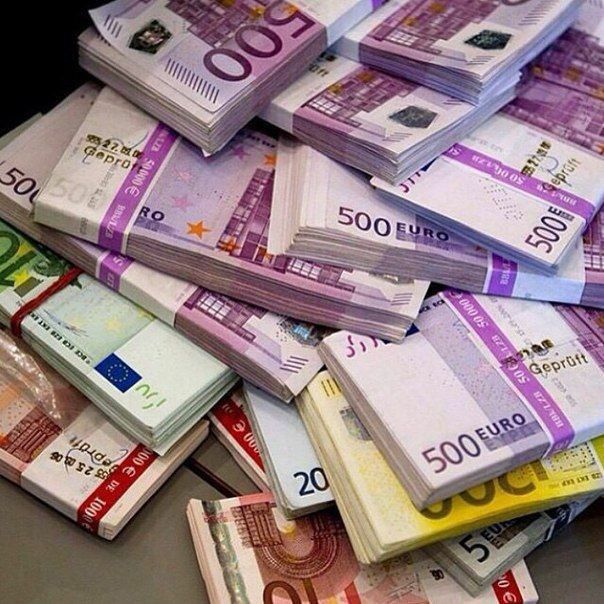
In a milestone moment for Southeastern Europe, Bulgaria officially transitioned from the Bulgarian lev to the euro as its national currency, becoming the 21st member of the eurozone. The change took effect today, marking the culmination of years of economic preparation and structural adjustment.
The introduction of the euro concludes a long strategic goal for Bulgaria — to deepen integration with the European Union’s core economic institutions and solidify investor confidence. For Bulgarian citizens and businesses, the shift promises both symbolic and practical implications as the country aligns more fully with the continent’s single currency area.
What Changes for Everyday Life
Under the new arrangement, all prices, wages, bank balances, and financial contracts previously denominated in levs are now legally expressed in euros. The transition has been carefully phased to ensure continuity of services and financial stability. Major banks, payment processors, and digital platforms have updated systems to operate seamlessly under the euro standard.
For consumers, the change means that day-to-day transactions, from grocery purchases to utility bills, will now be conducted in euros. Financial education campaigns have been underway to familiarise the public with the new currency and help prevent misunderstandings or pricing errors during the initial weeks of circulation.
Economic Rationale and Expectations
Bulgaria’s decision to adopt the euro is rooted in long-term economic strategy. By joining the eurozone, Bulgaria aims to:
- Enhance price stability through alignment with the monetary policy of the European Central Bank (ECB).
- Attract greater foreign direct investment by reducing currency risk and strengthening confidence in the macroeconomic environment.
- Lower borrowing costs for both public and private sectors by integrating with wider euro-denominated debt markets.
- Facilitate trade with eurozone partners by eliminating foreign-exchange barriers and reducing transaction costs.
Economists highlight that euro adoption is typically associated with increased fiscal discipline and closer alignment with the economic criteria established by the EU. Bulgaria has worked to meet these benchmarks, including public debt limits, inflation control, and exchange rate stability, as set out in the Maastricht criteria.
Public and Political Response
Across Bulgaria, public reaction has been mixed but generally calm. Supporters of the change emphasise the potential for stronger economic links with Western Europe and the enhanced credibility that eurozone membership brings. Some concerns linger, particularly among small businesses and fixed-income earners, about price convergence and cost-of-living adjustments in the transition period.
Political leaders have been active in communicating the benefits of euro adoption while acknowledging worries about short-term adaptation. Government officials emphasise that safeguards are in place to monitor pricing behaviour and protect consumers from unfair practices during the initial rollout.
Regional and Global Implications
Bulgaria’s accession to the eurozone underscores the continuing appeal of the euro as a stabilising force in European economic policy. As the 21st country to adopt the single currency, Bulgaria joins a group that spans northern, western, central, and now southeastern Europe, reflecting the euro’s geographic and political breadth.
The move may encourage other EU member states that have long aspired to eurozone membership to intensify their convergence efforts. It also signals to global investors that the European monetary framework remains a cornerstone of financial integration on the continent.
Looking Ahead
In the weeks ahead, both public authorities and financial institutions will monitor the transition closely, particularly in areas such as pricing transparency, currency circulation, and public sentiment. The European Central Bank will play a key role in overseeing monetary coordination, while Bulgarian regulators work to ensure that the implementation remains smooth and equitable.
Ultimately, Bulgaria’s adoption of the euro represents both a symbolic affirmation of its European trajectory and a tangible shift in its economic architecture — one that will shape its financial landscape for years to come.
📚 References
- European Central Bank. (2025, July 10). Bulgaria to adopt the euro on 1 January 2026. European Central Bank. https://www.ecb.europa.eu/press/pr/date/2025/html/ecb.pr250710~bulgaria-euro.en.html
- Deutsche Welle. (2025, July 10). Bulgaria joins eurozone: Why it’s a big deal. DW. https://www.dw.com/en/bulgaria-joins-eurozone-why-its-a-big-deal/a-66543212
- Al Jazeera. (2025, July 10). Bulgaria to adopt euro in 2026 amid controversy. Al Jazeera. https://www.aljazeera.com/news/2025/7/10/bulgaria-to-adopt-euro-in-2026-amid-controversy