🔑 Key Developments
- Japan’s Nuclear Restart
- Japan approved restarting the Kashiwazaki-Kariwa plant, the world’s largest nuclear power facility, shut down since the 2011 Fukushima disaster.
- TEPCO (Tokyo Electric Power Company) will restart one reactor in early 2026, with another planned around 2030.
- Prime Minister Sanae Takaichi supports nuclear restarts to strengthen Japan’s energy independence.
- China’s Warning
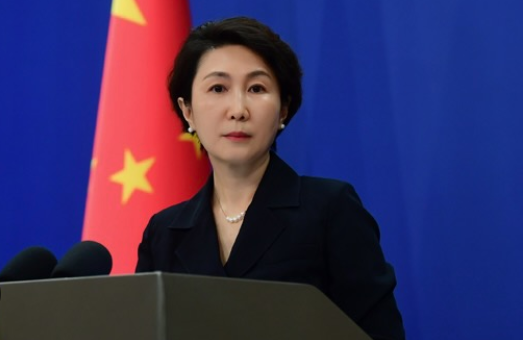
- China’s Foreign Ministry condemned remarks from a senior Japanese official suggesting Japan should consider nuclear weapons amid regional threats.
- Beijing said Japan would be “challenging international norms” and warned of consequences if Tokyo pursued nuclear arms.
- The warning comes amid heightened tensions over Taiwan and regional security, where Japan has signaled it could intervene alongside the U.S..
- Regional Reactions
- China & North Korea are closely monitoring Japan’s nuclear restart, citing safety and security concerns.
- Domestic opposition in Japan remains strong, especially in Niigata Prefecture, where residents fear another Fukushima-like disaster.
⚖️ Comparison of Perspectives
| Stakeholder | Position | Key Concerns |
|---|---|---|
| Japan (Gov’t) | Restart nuclear plants for energy security | Reduce fossil fuel dependence, stabilize power supply |
| TEPCO | Committed to safety | Avoid repeat of Fukushima, rebuild trust |
| China | Warns against nuclear ambitions | Regional stability, nonproliferation norms |
| Local Japanese Residents | Oppose restart | Safety risks, distrust of TEPCO |
| North Korea | Watching closely | Regional military balance |
Sources:
🚨 Risks & Challenges
- Safety Concerns: Restarting reactors raises fears of accidents, especially given TEPCO’s history.
- Geopolitical Tensions: China’s warnings highlight how Japan’s nuclear moves could escalate disputes over Taiwan and regional security.
- Public Opposition: Strong resistance in Niigata may complicate implementation.
- Nonproliferation Issues: Even discussions of nuclear weapons by Japan unsettle the global nuclear order.
Japan’s nuclear restart is primarily about energy security, but China’s warnings show how quickly the issue intersects with regional geopolitics and nuclear nonproliferation.