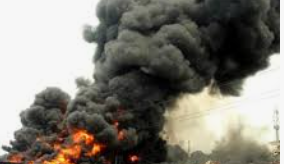
At least eight people have been killed in an improvised explosive device (IED) explosion in Niger State, marking another grim episode in the country’s evolving security crisis.
The blast reportedly occurred in the Borgu area, where an explosive device believed to have been planted by suspected militants detonated as a vehicle crossed a damaged bridge. The attack not only claimed multiple lives but also underscores a growing trend: the deliberate targeting of infrastructure to maximize civilian casualties and disrupt mobility.
While no group has officially claimed responsibility, security experts point to the increasing use of asymmetric tactics by armed groups operating across Nigeria. Traditionally associated with insurgency in the northeast, IED attacks now appear to be spreading into the north-central region—an area previously considered comparatively stable.
The incident reflects a broader shift in the operational methods of non-state armed actors. Rather than direct confrontations, these groups are increasingly deploying hidden explosives to inflict damage, create fear, and stretch security forces across wider territories.
Nigeria continues to face multiple, overlapping security challenges, including jihadist insurgency, armed banditry, and communal violence. The growing sophistication and geographic spread of attacks such as this one raise concerns among analysts about the potential for further escalation.
Authorities are expected to intensify security operations in the affected area, but the attack serves as a stark reminder of the urgent need for coordinated responses, improved intelligence gathering, and infrastructure protection.
As the situation develops, the international community will be closely watching how Africa’s most populous nation responds to an increasingly complex and decentralized threat landscape.