Dubai International Airport Damaged Following Iranian Retaliatory Strikes Amid Escalating Middle East Conflict

Table of Content

Dubai International Airport, one of the world’s busiest aviation hubs, sustained damage after Iranian missile and drone strikes targeted multiple locations across the Gulf region, marking a dramatic escalation in the widening Middle East conflict.

The attack formed part of Iran’s retaliatory response following coordinated military operations earlier carried out by the United States and Israel against Iranian territory.

Airport Hit During Regional Missile Barrage

Authorities in the United Arab Emirates confirmed that a section of Dubai International Airport (DXB) suffered minor structural damage after aerial threats were intercepted near the facility. According to officials, debris from intercepted missiles or drones struck part of an airport concourse, injuring four airport workers.

Emergency services quickly contained the incident, preventing further casualties and limiting damage to operational areas.

Despite the relatively limited physical destruction, the psychological and logistical impact was significant given the airport’s role as a central hub connecting Europe, Asia, Africa, and the Middle East.

Flight Operations Disrupted

Following the strikes, UAE authorities temporarily suspended flight operations as regional airspace closures spread across multiple countries.

Airlines canceled or rerouted hundreds of flights, leaving thousands of passengers stranded worldwide. Aviation analysts described the disruption as one of the largest shocks to international air travel in recent years, affecting global routes that rely heavily on Gulf transit hubs.

Dubai International handles tens of millions of passengers annually and serves as a critical link in global commerce and tourism, amplifying the wider consequences of the attack.

Wider Damage Across Dubai

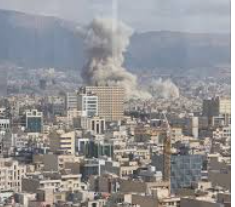
The airport was not the only site affected. Reports indicated fires and damage at several high-profile locations across Dubai after debris from intercepted aerial threats fell in populated areas. Emergency crews responded to incidents near major hotels and coastal developments, underscoring how civilian infrastructure became entangled in a rapidly expanding conflict.

Regional governments condemned the strikes, stating that civilian areas had been endangered despite Iran’s claim that its targets were linked to U.S. military operations.

Part of a Broader Regional Escalation

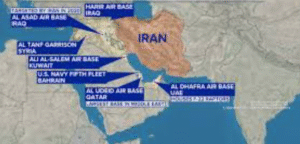
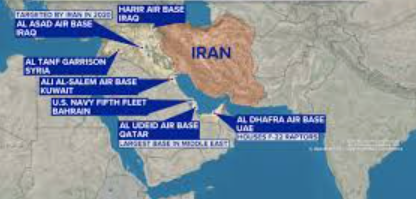
The strike on Dubai occurred amid a wave of Iranian missile launches targeting U.S. military assets and allied locations across the Gulf following earlier U.S.–Israeli attacks inside Iran.

Security analysts warn that the widening geographic scope of attacks — extending beyond direct military targets — increases the risk of broader regional involvement and prolonged instability.

Global Implications

The incident has triggered international concern for several reasons:

  • Threats to major global aviation corridors
  • Potential disruptions to energy markets and trade routes
  • Increased risk to civilian infrastructure in major cities
  • Rising insurance and operational costs for airlines and shipping companies

Governments worldwide have urged restraint while diplomatic channels intensify to prevent further escalation.

What Happens Next?

While damage at Dubai International Airport was described as limited, the attack signals how quickly geopolitical conflict can impact civilian infrastructure and global mobility.

As military exchanges continue and retaliation fears grow, aviation authorities and world leaders face mounting pressure to stabilize the situation before wider economic and security consequences unfold.

For now, the Middle East — and much of the world’s travel network — remains on high alert.


support@paulkizitoblog.com

support@paulkizitoblog.com http://paulkizitoblog.com

Leave a Reply

Your email address will not be published. Required fields are marked *

Recent News

Trending News

Editor's Picks

Dubai International Airport Damaged Following Iranian Retaliatory Strikes Amid Escalating Middle East Conflict

Dubai International Airport, one of the world’s busiest aviation hubs, sustained damage after Iranian missile and drone strikes targeted multiple locations across the Gulf region, marking a dramatic escalation in the widening Middle East conflict. The attack formed part of Iran’s retaliatory response following coordinated military operations earlier carried out by the United States and Israel against Iranian territory. Airport Hit During Regional Missile Barrage Authorities in the United Arab Emirates confirmed that a section of Dubai International Airport (DXB) suffered minor structural damage after aerial threats were intercepted near the facility. According to officials, debris from intercepted missiles or drones struck part of an airport concourse, injuring four airport workers. Emergency services quickly contained the incident, preventing further casualties and limiting damage to operational areas. Despite the relatively limited physical destruction, the psychological and logistical impact was significant given the airport’s role as a central hub connecting Europe, Asia, Africa, and the Middle East. Flight Operations Disrupted Following the strikes, UAE authorities temporarily suspended flight operations as regional airspace closures spread across multiple countries. Airlines canceled or rerouted hundreds of flights, leaving thousands of passengers stranded worldwide. Aviation analysts described the disruption as one of the largest shocks to international air travel in recent years, affecting global routes that rely heavily on Gulf transit hubs. Dubai International handles tens of millions of passengers annually and serves as a critical link in global commerce and tourism, amplifying the wider consequences of the attack. Wider Damage Across Dubai The airport was not the only site affected. Reports indicated fires and damage at several high-profile locations across Dubai after debris from intercepted aerial threats fell in populated areas. Emergency crews responded to incidents near major hotels and coastal developments, underscoring how civilian infrastructure became entangled in a rapidly expanding conflict. Regional governments condemned the strikes, stating that civilian areas had been endangered despite Iran’s claim that its targets were linked to U.S. military operations. Part of a Broader Regional Escalation The strike on Dubai occurred amid a wave of Iranian missile launches targeting U.S. military assets and allied locations across the Gulf following earlier U.S.–Israeli attacks inside Iran. Security analysts warn that the widening geographic scope of attacks — extending beyond direct military targets — increases the risk of broader regional involvement and prolonged instability. Global Implications The incident has triggered international concern for several reasons: Governments worldwide have urged restraint while diplomatic channels intensify to prevent further escalation. What Happens Next? While damage at Dubai International Airport was described as limited, the attack signals how quickly geopolitical conflict can impact civilian infrastructure and global mobility. As military exchanges continue and retaliation fears grow, aviation authorities and world leaders face mounting pressure to stabilize the situation before wider economic and security consequences unfold. For now, the Middle East — and much of the world’s travel network — remains on high alert. support@paulkizitoblog.com