Egypt has called for the continuation of diplomatic negotiations between the United States and Iran
following the latest round of nuclear talks that ended without a final agreement, highlighting Cairo’s growing role as a regional advocate for de-escalation amid rising Middle East tensions.
Egyptian Foreign Minister Badr Abdelatty made the appeal during a telephone conversation with U.S. Middle East envoy Steve Witkoff, according to an official statement released by Egypt’s foreign ministry. The discussion focused on recent indirect negotiations between Washington and Tehran held in Geneva, which produced signs of progress but failed to deliver a concrete agreement.
During the call, Abdelatty reaffirmed Egypt’s support for diplomatic efforts aimed at resolving disputes surrounding Iran’s nuclear programme through negotiations rather than confrontation. He emphasized Cairo’s commitment to keeping dialogue alive and avoiding further escalation in a region already facing multiple security crises. Egyptian officials stressed that compromise and continued engagement remain essential to reaching a settlement that addresses the concerns of all parties involved.
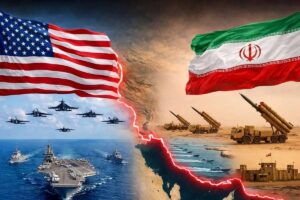
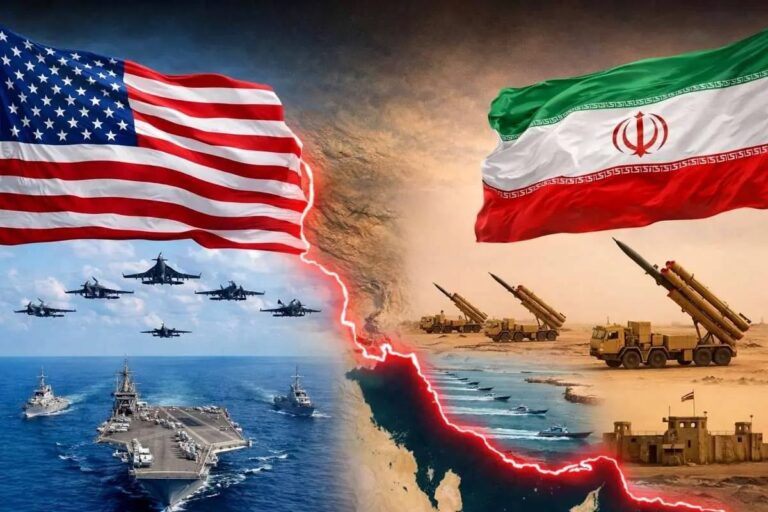
The conversation took place shortly after the latest round of U.S.–Iran talks concluded without a breakthrough, leaving key disagreements unresolved, particularly over uranium enrichment limits, verification mechanisms, and sanctions relief. Despite the lack of a deal, mediators described the negotiations as constructive, and both sides agreed to continue technical discussions in an effort to narrow remaining gaps.
Egypt’s diplomatic outreach reflects broader regional concern that failure of negotiations could heighten instability across the Middle East. Cairo has increasingly positioned itself as a stabilizing actor, maintaining communication channels with multiple stakeholders while encouraging political solutions to prevent military escalation. Egyptian officials have repeatedly argued that diplomacy remains the only viable path to resolving disputes tied to Iran’s nuclear activities.
Beyond the Iranian file, Abdelatty and Witkoff also discussed wider regional developments, including the situation in Gaza and ongoing efforts to sustain ceasefire arrangements and humanitarian assistance. The exchange underscored the interconnected nature of Middle Eastern diplomacy, where progress or failure in one crisis often affects broader regional stability.
For Washington, continued engagement with regional partners such as Egypt forms part of a wider strategy to maintain diplomatic momentum even as negotiations with Iran remain complex and politically sensitive. For Cairo, supporting dialogue aligns with its long-standing foreign policy objective of preventing conflict escalation that could spill across borders and disrupt regional security.
The call signals that, despite stalled progress, international and regional actors are working to keep diplomatic channels open. As tensions remain high and military rhetoric persists, Egypt’s push for continued negotiations highlights growing recognition that sustained dialogue may be the only mechanism capable of preventing a deeper confrontation between the United States and Iran.