📰 What Happened
- U.S. Action: The U.S. State Department announced visa bans on five Europeans, accusing them of trying to coerce American technology companies into censoring or suppressing U.S. viewpoints.
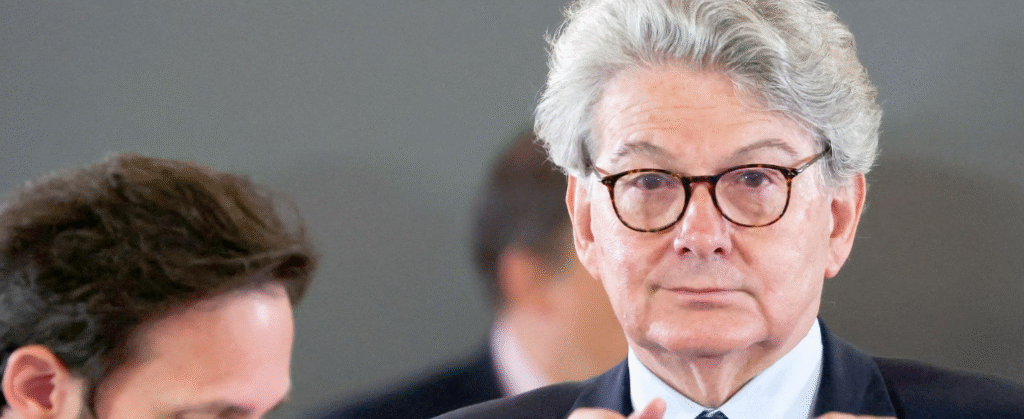
- Individuals Targeted: Among those barred is Thierry Breton, former EU commissioner and French finance minister, who previously clashed with Elon Musk over social media rules. Others include activists linked to NGOs accused of “weaponizing” censorship campaigns.
- U.S. Justification: Secretary of State Marco Rubio described them as “radical activists” advancing censorship crackdowns against American speakers and companies.
- EU Response: The European Commission said it will respond to any “unjustified measures” and has formally requested clarification from Washington. Brussels emphasized that it supervises tech regulation in Europe and sees the bans as politically motivated.
🔑 Comparison of Positions
| Actor | Position | Key Concerns |
|---|---|---|
| United States | Imposed visa bans | Claims Europeans pressured U.S. tech firms to censor viewpoints |
| European Union | Warns of possible retaliation | Views bans as unjustified, demands clarification |
| Thierry Breton | Former EU commissioner | Previously clashed with Elon Musk over social media rules |
| NGOs/Activists | Accused by U.S. of “weaponized” censorship | EU sees them as part of regulatory oversight |
⚠️ Risks & Challenges
- Transatlantic Tensions: The bans risk straining U.S.–EU relations, especially on tech regulation and free speech.
- Regulatory Clash: The EU’s Digital Services Act and other rules often conflict with U.S. free speech norms, creating friction.
- Political Fallout: Targeting a former EU commissioner escalates the dispute into a broader diplomatic issue.
- Retaliation Potential: The EU could impose reciprocal restrictions or challenge the bans under international agreements.
🌍 What This Means
This episode highlights the growing divide between U.S. and EU approaches to online speech regulation. The U.S. frames European oversight as censorship, while the EU sees it as necessary regulation of tech platforms. The clash could deepen into a trade or diplomatic dispute, especially if Brussels follows through with retaliatory measures.