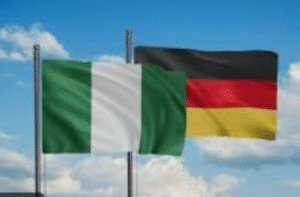
German companies are increasingly turning their attention to Nigeria’s rapidly expanding food sector, estimated to be worth €222 billion, as Europe’s largest economy seeks new growth opportunities in Africa.
With a population exceeding 200 million and rising urbanization, Nigeria presents one of the most attractive consumer markets globally. Demand for processed foods, agricultural technology, and supply chain solutions continues to grow, driven by shifting consumption patterns and a youthful population.
Businesses from Germany are exploring investments across the value chain, including food processing, cold storage infrastructure, and modern retail systems. Industry experts note that German firms bring technical expertise, efficiency, and innovation that could help address longstanding challenges in Nigeria’s food ecosystem, such as post-harvest losses and logistics bottlenecks.
The move aligns with broader efforts by European companies to diversify supply chains and tap into high-growth emerging markets. For Nigeria, increased foreign investment in the food sector could boost local production, create jobs, and enhance food security.
However, investors remain mindful of potential hurdles, including infrastructure gaps, regulatory complexities, and currency volatility. Despite these challenges, the scale of Nigeria’s food market continues to outweigh the risks for many international players.
As interest grows, partnerships between local stakeholders and foreign investors are expected to play a crucial role in unlocking the full potential of Nigeria’s agricultural and food industries.