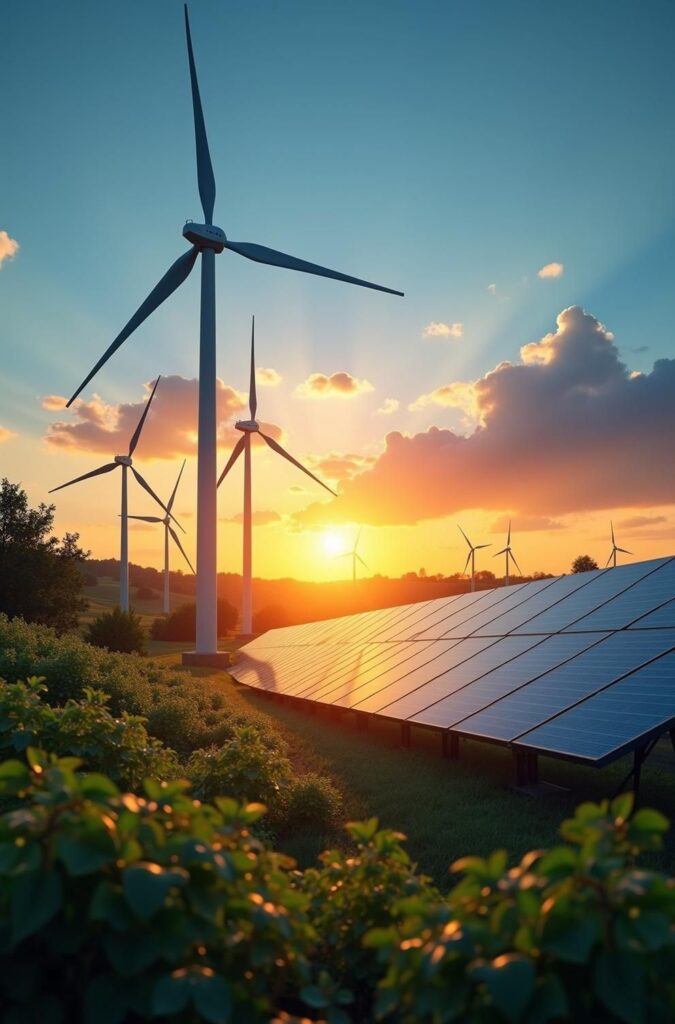
The 41st edition of the Abu Dhabi International Petroleum Exhibition & Conference (ADIPEC) has opened with more than 205,000 participants from around the world, reflecting the energy sector’s central role in both the old fossil-fuel economy and the emerging sustainable future. Xinhua News
However, this event is not merely a trade show—it is a strategic gathering where politics, development and security converge. Some key vectors:
- Politics: Host country Abu Dhabi (and the wider United Arab Emirates) uses the forum to assert energy leadership, shape global norms and build alliances in a shifting world of decarbonisation.
- Development: The trajectory of energy transitions—hydrocarbons to renewables, efficiency to circularity—will determine infrastructure paths, jobs and investment flows for decades.
- Security: Energy remains a strategic asset: supply disruptions, geopolitical rivalries over resources, and climate-induced vulnerabilities (such as extreme weather) all demand integrated strategies.
What emerges at ADIPEC has real consequences for developing economies. For instance, the pace at which renewables replace fossil fuels affects funding, technology transfer and industrial policy in the Global South. If energy transitions overlook equity and local capacity, they risk becoming neo-colonial in effect.
In sum, the conference in Abu Dhabi is a microcosm of the global challenge: how to align the imperative of economic development with the urgency of sustainability, under the shadow of geopolitical competition.
#GlobalEnergy #Sustainability #OilAndGas #EnergyTransition #DevelopmentPolicy #Geopolitics #ClimateAction #EmergingEconomies #Infrastructure #SecurityOfEnergy