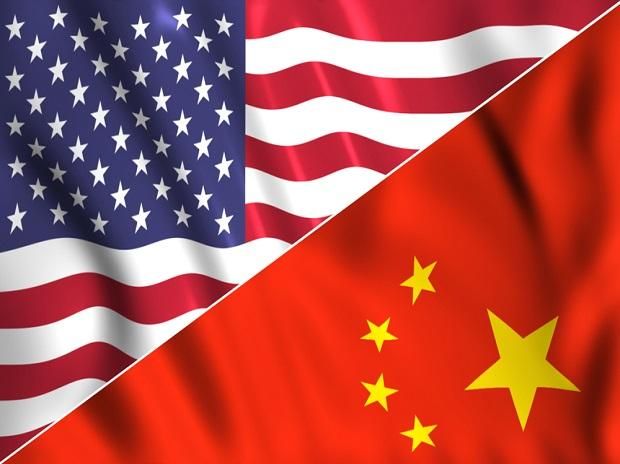
World financial markets opened November with a pulse of optimism: strong corporate earnings and progress in U.S.–China trade cues lifted investor sentiment, even as fundamental risks remain. Reuters
The backdrop is complex: the world’s two largest economies are still locked in strategic competition (especially over advanced technology exports), yet a recent thaw has given markets room to breathe. That said, structural sensitivities—such as weak factory output globally, OPEC production decisions and political instability—mean the calm may yet prove fragile.
From a politics-development-security lens:
- Politics: Trade diplomacy and national security concerns (for example export controls on key chips) are now intrinsic to economic performance.
- Development: Emerging markets, including Africa and Asia, are especially vulnerable to capital flow reversals driven by external political events.
- Security: Cybersecurity, supply chain risk and national-industrial strategy shape economic resilience as much as traditional military power.
For emerging economies, the lesson is clear: robust growth cannot rely solely on favourable external conditions. Domestic governance, regulatory certainty and diversified development pathways are indispensable.
In short, while markets may rise on headline optimism, durable development demands more than favourable winds—it demands structural strength.
#GlobalMarkets #USChinaTrade #EmergingMarkets #EconomicDevelopment #Geopolitics #FinancialStability #InvestmentRisk #TradePolicy #SecurityEconomics #GlobalFinance