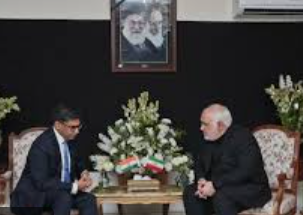
The Government of India has formally conveyed its condolences to Iran following the death of Iran’s Supreme Leader, a development that has reshaped regional diplomacy and heightened geopolitical tensions. In a symbolic gesture of respect, India’s Foreign Secretary visited the Iranian Embassy in New Delhi to sign the official condolence register, reaffirming longstanding ties between the two nations.
The act of signing a condolence book is a well-established diplomatic practice, often used by states to express sympathy and solidarity during moments of national mourning. In this case, India’s decision reflects both protocol and strategic calculation. Tehran and New Delhi share decades of engagement spanning energy cooperation, trade, cultural exchange, and regional connectivity initiatives. While India maintains strong partnerships with Western powers and regional rivals of Iran, it has consistently pursued a balanced foreign policy approach in West Asia.
Officials familiar with the development describe the gesture as a message of respect toward the Iranian people rather than a political endorsement of any particular leadership transition. Diplomatic language in such instances is typically measured, focusing on shared history and the importance of stability. India emphasized its hope for peace and continuity in bilateral relations, particularly at a time when tensions across the Middle East remain volatile.
India and Iran’s relationship has historically been shaped by energy diplomacy. Iran has been a significant crude oil supplier to India, although imports declined in recent years due to international sanctions and shifting geopolitical alignments. Beyond energy, both nations have collaborated on connectivity projects such as the Chabahar Port, which India views as strategically important for accessing Afghanistan and Central Asia without relying on routes through Pakistan.
The condolence gesture also comes amid heightened global scrutiny of the Middle East. Leadership changes in Iran inevitably carry implications for regional security, nuclear negotiations, and power balances involving the United States, Israel, and Gulf states. India’s response appears carefully calibrated to avoid alienating key partners while maintaining diplomatic continuity with Tehran.
Foreign policy analysts in New Delhi suggest that India’s approach underscores its doctrine of “strategic autonomy.” Rather than aligning exclusively with one bloc, India often seeks to preserve room for maneuver by engaging with multiple stakeholders. By signing the condolence register, India signals respect for diplomatic norms while refraining from deeper political commentary on unfolding developments.
The Iranian Embassy in New Delhi acknowledged the gesture, describing it as reflective of enduring civilizational ties between the two countries. India and Iran share centuries-old cultural and historical connections, including linguistic influences, trade links, and people-to-people exchanges that predate modern state structures.
Within India, reactions to the move have been measured. Policymakers emphasize that offering condolences is a standard diplomatic practice extended to nations across the globe in times of bereavement. Observers note that India has previously extended similar gestures to a wide array of countries regardless of political alignment.
The timing of the condolence signing is particularly significant as regional actors assess the implications of leadership change in Tehran. India has consistently advocated for dialogue and de-escalation in West Asia, recognizing that instability in the region can directly affect energy markets, diaspora communities, and maritime trade routes critical to the Indian economy.
India also hosts a sizable population of expatriates working across Gulf countries, and regional tensions often require delicate diplomatic handling to safeguard their welfare. Maintaining open channels with all major actors, including Iran, is viewed as essential to ensuring the safety of Indian nationals abroad.
Beyond immediate diplomacy, the development may shape upcoming bilateral engagements. Trade discussions, infrastructure cooperation, and cultural exchanges could continue under a recalibrated regional landscape. Much will depend on the policy direction adopted by Iran’s next leadership and the broader trajectory of Middle Eastern geopolitics.
In international relations, symbolic gestures often carry weight beyond their immediate appearance. A signed condolence register can serve as both a mark of respect and a signal of continuity. In this instance, India appears intent on preserving stability in its ties with Iran while navigating complex global alignments.
As events continue to unfold, New Delhi’s measured response reflects its broader foreign policy philosophy: engage widely, avoid entanglement, and prioritize national interest. The condolence signing may be brief in ceremony, but its diplomatic resonance underscores the intricate balancing act shaping India’s role on the global stage.