Iranian authorities have sharply restricted internet access and phone communications across large parts of the country as protests against the government intensify, deepening concerns over civil liberties and the state’s handling of public dissent.
Residents in multiple cities reported widespread disruptions to mobile networks and internet services, with many unable to make phone calls, send messages, or access social media platforms. International calls were also largely unreachable, effectively cutting millions of Iranians off from relatives abroad and limiting the flow of information beyond the country’s borders.
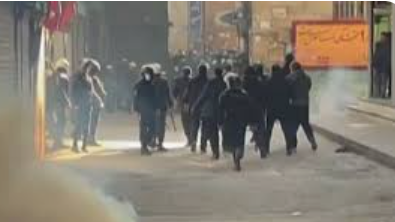
The communications shutdown coincided with a surge in demonstrations in major urban centers, including Tehran and several provincial capitals. Protesters have been gathering in streets and public squares, voicing anger over economic hardship, rising living costs, and long-standing political grievances. Chants critical of the government and security forces have been reported, along with the presence of a heavy police and paramilitary deployment.
Authorities have not issued a detailed public explanation for the restrictions, but officials have previously justified similar measures as necessary to maintain public order and prevent what they describe as unrest fueled by foreign interference. Digital rights advocates, however, argue that the blackout is aimed at disrupting protest organization and preventing images and videos of the demonstrations from circulating widely.
The impact of the shutdown has extended beyond protesters. Businesses reliant on online services reported interruptions, while hospitals, journalists, and humanitarian workers said the lack of reliable communications complicated daily operations. Many residents described an atmosphere of uncertainty as rumors spread faster than verified information.
Iran has a history of imposing internet and phone restrictions during periods of political tension, but observers say the current measures appear broader and more abrupt than in recent years. Analysts note that communications blackouts often signal heightened concern within the government about the scale or persistence of unrest.
Meanwhile, reports from inside the country suggest security forces have stepped up patrols and checkpoints, particularly at night. Rights groups claim arrests have increased, though the exact number remains unclear due to the difficulty of independent verification under the current blackout.
International reaction has been swift, with several governments and human rights organizations calling on Iran to restore connectivity and respect the right to peaceful assembly. They warn that cutting communications not only limits free expression but also raises the risk of abuses going unreported.
As of now, there is no clear indication of when internet and phone services will be fully restored. For many Iranians, the blackout has become another symbol of the widening gap between the state and a population increasingly willing to challenge it, even as avenues for communication continue to close.