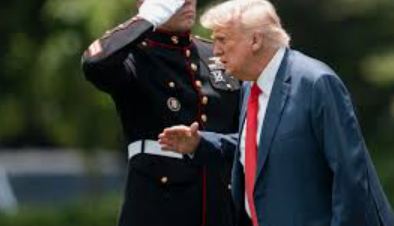
A rapidly escalating confrontation between Iran and the United States is raising fears of a wider regional crisis, after Tehran warned it could strike critical infrastructure across the Middle East if Donald Trump follows through on threats to target its power plants.
The warning comes amid a high-stakes exchange of ultimatums. Washington has signaled it is prepared to take direct action against Iran’s energy network, while Tehran has made clear that any such move would not go unanswered—and would likely extend beyond its borders.
Iranian officials have indicated that potential retaliation could include attacks on energy facilities, water systems, and other vital infrastructure across countries seen as aligned with the U.S. Such a strategy would mark a significant escalation, shifting the confrontation from a bilateral dispute into a region-wide risk.
At the center of the tension is the Strait of Hormuz, one of the world’s most critical النفط transit routes. Iran has repeatedly suggested it could move to shut down the narrow passage if attacked, a move that would disrupt global oil flows and send shockwaves through international markets.
Security experts warn that targeting infrastructure—especially water and electricity systems—could have severe humanitarian consequences. Many countries in the Gulf rely heavily on desalination and interconnected energy grids, meaning even limited strikes could trigger widespread disruption affecting millions of civilians.
The current standoff reflects a broader shift in modern conflict, where economic lifelines such as energy and logistics networks are increasingly central to both deterrence and warfare. With rhetoric hardening on both sides, the risk of miscalculation is growing.
For now, the situation remains a tense war of words. But with deadlines looming and military options openly discussed, the margin for de-escalation appears to be narrowing—leaving the region, and much of the world, watching closely.