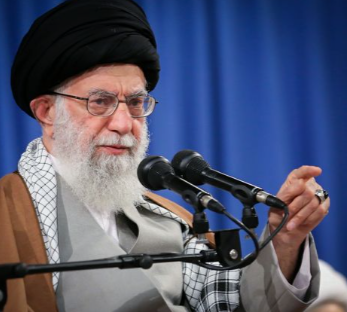
Iran’s Supreme Leader Ayatollah Ali Khamenei Killed Amid U.S.–Israeli Strikes, Region Faces Uncertain Future

Table of Content

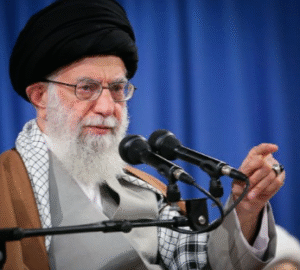
Iran’s Supreme Leader, Ayatollah Ali Khamenei, has been killed following coordinated military strikes carried out by the United States and Israel, marking a historic turning point for the Middle East and raising fears of a wider regional conflict.

Iranian state media confirmed the death early Sunday, announcing a period of national mourning as the country confronts an unprecedented leadership crisis.

A Historic Moment in Modern Geopolitics

Khamenei, who led the Islamic Republic since 1989, was Iran’s highest political, military, and religious authority. His death represents the first time an Iranian supreme leader has been killed during foreign military action, dramatically reshaping the geopolitical landscape of the region.

The strikes were part of a large-scale military campaign targeting Iranian military infrastructure, command centers, and senior leadership figures. U.S. and Israeli officials described the operation as a pre-emptive move aimed at countering Iran’s missile capabilities and suspected nuclear ambitions.

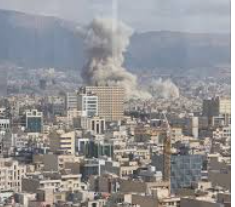
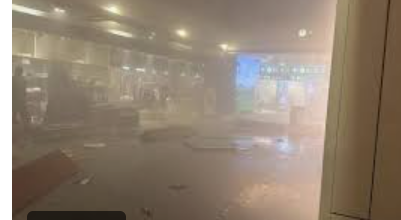
Explosions were reported in multiple locations across Iran, including areas near Tehran, where key government and security facilities are concentrated.

Leadership Vacuum in Tehran

Under Iran’s political system, the Supreme Leader holds ultimate authority over the armed forces, judiciary, intelligence services, and major state policies. Khamenei’s death therefore creates immediate uncertainty about succession and internal stability.

Iran’s Assembly of Experts is constitutionally responsible for selecting a new supreme leader, but analysts note that no universally accepted successor has emerged. The powerful Islamic Revolutionary Guard Corps (IRGC) is expected to play a significant role in shaping the transition.

Observers warn that internal political competition could unfold alongside external military tensions.

Iran Launches Retaliatory Attacks

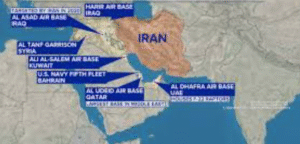
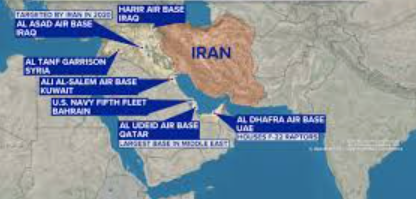
Within hours of the strikes, Iran launched missile and drone attacks targeting American military bases and allied positions across the Middle East. Air defenses were activated in several Gulf countries, and regional airspace disruptions affected international travel and commercial activity.

Iranian officials condemned the attacks as an act of aggression and vowed continued retaliation, signaling that the conflict may expand beyond initial military exchanges.

Global Reaction and Rising Concerns

World leaders and international organizations have called for immediate de-escalation, warning that further escalation could destabilize global security and energy markets.

Key concerns include:

  • Expansion of conflict across the Middle East
  • Disruption to global oil supplies
  • Increased risks to international shipping routes
  • Potential involvement of regional proxy groups

Security analysts describe the situation as one of the most dangerous geopolitical crises in decades.

What Comes Next?

The coming days are expected to determine whether the conflict remains limited or evolves into a broader regional war. Diplomatic channels are reportedly active as global powers attempt to prevent further escalation.

At the same time, Iran faces a defining internal moment: the transition of leadership after more than three decades under a single supreme authority.

As military tensions continue and political uncertainty grows, the world is watching closely to see whether deterrence, diplomacy, or escalation will shape the next chapter in Middle Eastern history.

support@paulkizitoblog.com

support@paulkizitoblog.com http://paulkizitoblog.com

Leave a Reply

Your email address will not be published. Required fields are marked *

Recent News

Trending News

Editor's Picks

Iran’s Supreme Leader Ayatollah Ali Khamenei Killed Amid U.S.–Israeli Strikes, Region Faces Uncertain Future

Iran’s Supreme Leader, Ayatollah Ali Khamenei, has been killed following coordinated military strikes carried out by the United States and Israel, marking a historic turning point for the Middle East and raising fears of a wider regional conflict. Iranian state media confirmed the death early Sunday, announcing a period of national mourning as the country confronts an unprecedented leadership crisis. A Historic Moment in Modern Geopolitics Khamenei, who led the Islamic Republic since 1989, was Iran’s highest political, military, and religious authority. His death represents the first time an Iranian supreme leader has been killed during foreign military action, dramatically reshaping the geopolitical landscape of the region. The strikes were part of a large-scale military campaign targeting Iranian military infrastructure, command centers, and senior leadership figures. U.S. and Israeli officials described the operation as a pre-emptive move aimed at countering Iran’s missile capabilities and suspected nuclear ambitions. Explosions were reported in multiple locations across Iran, including areas near Tehran, where key government and security facilities are concentrated. Leadership Vacuum in Tehran Under Iran’s political system, the Supreme Leader holds ultimate authority over the armed forces, judiciary, intelligence services, and major state policies. Khamenei’s death therefore creates immediate uncertainty about succession and internal stability. Iran’s Assembly of Experts is constitutionally responsible for selecting a new supreme leader, but analysts note that no universally accepted successor has emerged. The powerful Islamic Revolutionary Guard Corps (IRGC) is expected to play a significant role in shaping the transition. Observers warn that internal political competition could unfold alongside external military tensions. Iran Launches Retaliatory Attacks Within hours of the strikes, Iran launched missile and drone attacks targeting American military bases and allied positions across the Middle East. Air defenses were activated in several Gulf countries, and regional airspace disruptions affected international travel and commercial activity. Iranian officials condemned the attacks as an act of aggression and vowed continued retaliation, signaling that the conflict may expand beyond initial military exchanges. Global Reaction and Rising Concerns World leaders and international organizations have called for immediate de-escalation, warning that further escalation could destabilize global security and energy markets. Key concerns include: Security analysts describe the situation as one of the most dangerous geopolitical crises in decades. What Comes Next? The coming days are expected to determine whether the conflict remains limited or evolves into a broader regional war. Diplomatic channels are reportedly active as global powers attempt to prevent further escalation. At the same time, Iran faces a defining internal moment: the transition of leadership after more than three decades under a single supreme authority. As military tensions continue and political uncertainty grows, the world is watching closely to see whether deterrence, diplomacy, or escalation will shape the next chapter in Middle Eastern history. support@paulkizitoblog.com