Israel and United States Launch Coordinated Strikes on Iran, Escalating Middle East Tensions

Table of Content

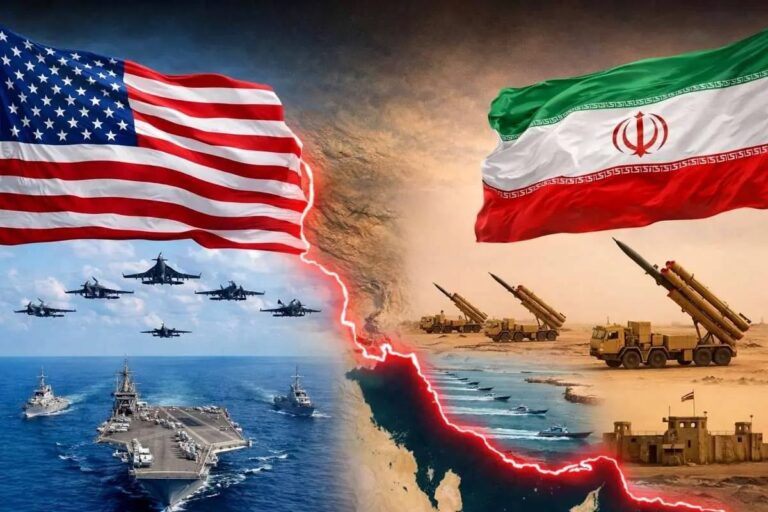
The Middle East entered a new phase of geopolitical uncertainty after Israel and the United States carried out coordinated military strikes against Iran, significantly raising fears of a wider regional conflict.

The joint operation, confirmed by officials in both Washington and Tel Aviv, targeted Iranian military infrastructure in what leaders described as a pre-emptive effort to counter growing security threats.

Coordinated Military Operation

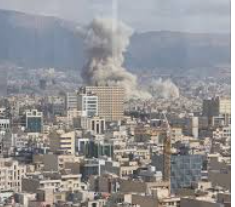
According to early reports, Israeli and U.S. forces launched synchronized air and naval strikes against multiple sites linked to Iranโ€™s military and missile capabilities. Explosions were reported in and around key locations, including areas near Tehran.

Israeli officials stated the operation was necessary to neutralize what they called an โ€œimminent threat,โ€ citing concerns over Iranโ€™s missile development and suspected nuclear ambitions. U.S. authorities described the strikes as part of broader efforts to weaken Iranโ€™s military capacity and deter future attacks against allies in the region.

Defense analysts say the level of coordination suggests months of strategic planning between the two allies.

President Trump Announces Military Action

President Donald Trump confirmed that American forces had entered what he described as โ€œmajor combat operations,โ€ emphasizing that the objective was to prevent Iran from advancing military capabilities perceived as destabilizing to regional security.

While signaling strong support for Israel, U.S. officials indicated the mission was limited in scope and aimed at strategic targets rather than a full-scale invasion.

Iran Vows Retaliation

Iranian authorities condemned the strikes as an act of aggression and warned of a โ€œdecisive response.โ€ The government reportedly activated air defenses, restricted airspace, and placed military forces on high alert.

Regional observers fear retaliation could involve missile strikes, cyber operations, or actions by Iran-aligned groups across the Middle East, potentially expanding the conflict beyond Iranian territory.

Rising Global Concern

World leaders and international organizations have called for restraint as tensions escalate. The confrontation carries significant global implications, including:

  • Risk of a broader Middle East war.
  • Threats to international shipping routes and energy supplies.
  • Potential spikes in global oil prices.
  • Increased instability affecting neighboring countries.

Security experts warn that direct confrontation between Iran and U.S.-backed forces represents one of the most dangerous geopolitical moments in recent years.

Strategic Context

The strikes follow months of deteriorating relations and stalled diplomatic efforts over Iranโ€™s nuclear program. Longstanding tensions between Iran and Israel, combined with shifting regional alliances, have contributed to a volatile security environment.

Analysts note that the situation reflects a broader struggle for influence in the Middle East, where military deterrence, nuclear concerns, and regional rivalries intersect.

What Comes Next?

The coming days are expected to be critical. Diplomatic channels are reportedly active behind the scenes as global powers attempt to prevent further escalation.

Whether the strikes remain limited or trigger a wider confrontation will depend largely on Iranโ€™s response and the willingness of international actors to broker de-escalation.

For now, the world watches closely as events unfold in a region already marked by fragile stability.


support@paulkizitoblog.com

support@paulkizitoblog.com http://paulkizitoblog.com

Leave a Reply

Your email address will not be published. Required fields are marked *

Recent News

Trending News

Editor's Picks

Israel and United States Launch Coordinated Strikes on Iran, Escalating Middle East Tensions

The Middle East entered a new phase of geopolitical uncertainty after Israel and the United States carried out coordinated military strikes against Iran, significantly raising fears of a wider regional conflict. The joint operation, confirmed by officials in both Washington and Tel Aviv, targeted Iranian military infrastructure in what leaders described as a pre-emptive effort to counter growing security threats. Coordinated Military Operation According to early reports, Israeli and U.S. forces launched synchronized air and naval strikes against multiple sites linked to Iranโ€™s military and missile capabilities. Explosions were reported in and around key locations, including areas near Tehran. Israeli officials stated the operation was necessary to neutralize what they called an โ€œimminent threat,โ€ citing concerns over Iranโ€™s missile development and suspected nuclear ambitions. U.S. authorities described the strikes as part of broader efforts to weaken Iranโ€™s military capacity and deter future attacks against allies in the region. Defense analysts say the level of coordination suggests months of strategic planning between the two allies. President Trump Announces Military Action President Donald Trump confirmed that American forces had entered what he described as โ€œmajor combat operations,โ€ emphasizing that the objective was to prevent Iran from advancing military capabilities perceived as destabilizing to regional security. While signaling strong support for Israel, U.S. officials indicated the mission was limited in scope and aimed at strategic targets rather than a full-scale invasion. Iran Vows Retaliation Iranian authorities condemned the strikes as an act of aggression and warned of a โ€œdecisive response.โ€ The government reportedly activated air defenses, restricted airspace, and placed military forces on high alert. Regional observers fear retaliation could involve missile strikes, cyber operations, or actions by Iran-aligned groups across the Middle East, potentially expanding the conflict beyond Iranian territory. Rising Global Concern World leaders and international organizations have called for restraint as tensions escalate. The confrontation carries significant global implications, including: Security experts warn that direct confrontation between Iran and U.S.-backed forces represents one of the most dangerous geopolitical moments in recent years. Strategic Context The strikes follow months of deteriorating relations and stalled diplomatic efforts over Iranโ€™s nuclear program. Longstanding tensions between Iran and Israel, combined with shifting regional alliances, have contributed to a volatile security environment. Analysts note that the situation reflects a broader struggle for influence in the Middle East, where military deterrence, nuclear concerns, and regional rivalries intersect. What Comes Next? The coming days are expected to be critical. Diplomatic channels are reportedly active behind the scenes as global powers attempt to prevent further escalation. Whether the strikes remain limited or trigger a wider confrontation will depend largely on Iranโ€™s response and the willingness of international actors to broker de-escalation. For now, the world watches closely as events unfold in a region already marked by fragile stability. support@paulkizitoblog.com