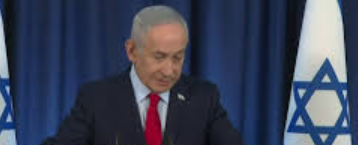
Jerusalem/Washington — Israeli Prime Minister Benjamin Netanyahu said Israel carried out a recent strike on Iranian gas infrastructure independently, underscoring a willingness to act unilaterally even as its
closest ally, the United States, publicly distanced itself from the operation.
The strike targeted a key Iranian energy facility linked to one of the world’s largest gas reserves, marking a significant escalation in a conflict that is increasingly affecting global energy markets.
“We acted alone,” Netanyahu said, signaling that the decision was made based on Israel’s own security assessments. He added that Israel would continue to defend itself against threats it considers critical, while remaining in communication with international partners.
U.S. Draws a Line on Energy Targets
U.S. President Donald Trump emphasized that Washington was not involved in the strike and had cautioned against targeting energy infrastructure, citing concerns over global economic stability.
Officials in Washington are increasingly wary that attacks on oil and gas facilities could:
- Disrupt international energy supplies
- Drive up global prices
- Trigger broader regional escalation
While reaffirming support for Israel’s security, the White House has signaled that energy infrastructure represents a red line due to its worldwide impact.
Strategic Calculations on Both Sides
Israeli officials argue that the strike was aimed at weakening Iran’s broader strategic capabilities, not simply its economy. From Israel’s perspective, critical infrastructure can play a role in sustaining military operations and regional influence.
Analysts note that Israel has long maintained a doctrine of acting decisively—sometimes independently—when it perceives imminent threats.
The United States, however, appears focused on containing the conflict and avoiding spillover effects that could destabilize global markets or draw in additional actors.
Rising Tensions and Global Impact
The targeting of energy infrastructure introduces a new dimension to the conflict, raising fears of retaliation and further disruption across the region.
Iran has warned that future attacks on its economic assets could prompt a stronger response, heightening concerns about a cycle of escalation.
Markets have already shown signs of volatility as traders react to the possibility of prolonged instability affecting energy supplies.
Alliance Tested, Not Broken
Despite the public divergence, officials on both sides indicate that military coordination and intelligence sharing between Israel and the United States remain intact.
Observers say the episode highlights a tactical disagreement rather than a strategic rupture, with both countries balancing different priorities—Israel’s immediate security concerns and Washington’s broader global responsibilities.
Outlook
The situation remains fluid, with diplomatic efforts ongoing to prevent further escalation. Whether the conflict expands or stabilizes may depend on how both Israel and Iran calibrate their next moves—and whether international pressure can keep key economic targets out of the crossfire.
For now, Israel’s assertion that it acted alone underscores a central reality of the conflict: even close alliances can face strain when national interests diverge under pressure.