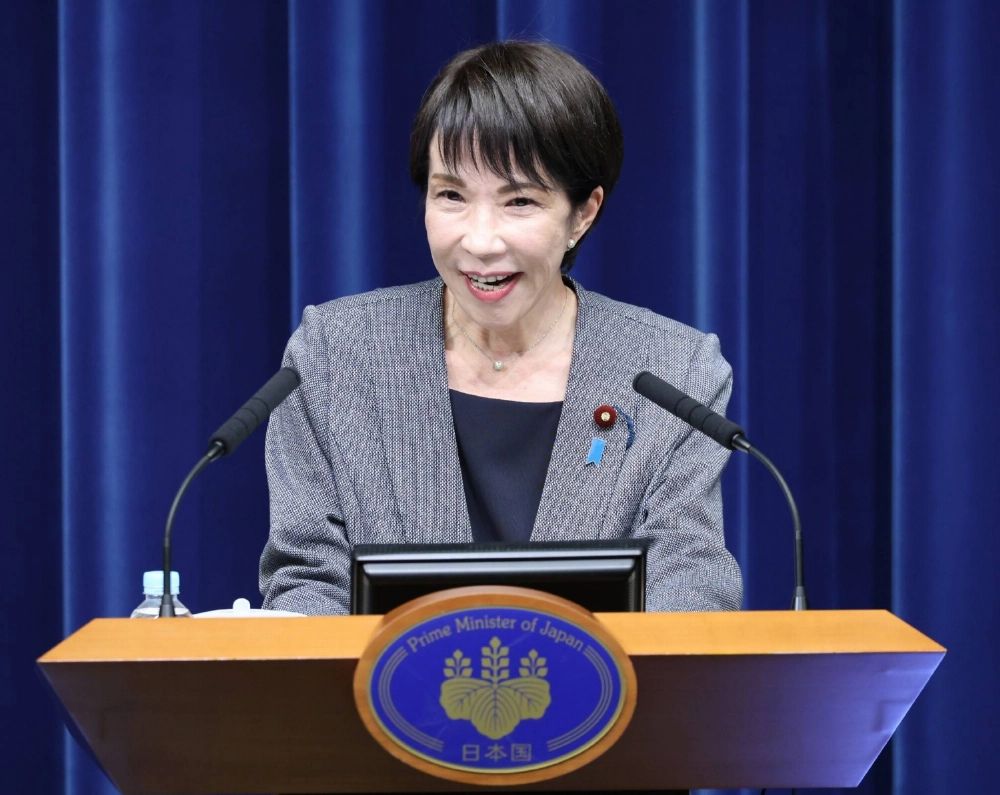
Tokyo — Japan’s Prime Minister Sanae Takaichi has told senior party officials that she is considering dissolving the country’s lower house of parliament, a move that could pave the way for early national elections, according to people familiar with the discussions.
The comments, made during internal consultations within the ruling party, suggest the government is weighing a snap vote as it seeks to consolidate political authority amid shifting public sentiment and legislative pressures. No formal decision has been announced, and officials stress that deliberations remain at a preliminary stage.
Under Japan’s constitution, the prime minister holds the authority to dissolve the House of Representatives, triggering elections that must be held within 40 days. Such dissolutions are often used strategically, allowing leaders to seek a fresh mandate during periods they believe are politically advantageous.
Party insiders say the option is being examined against the backdrop of economic concerns, policy debates, and internal party dynamics. While the ruling coalition retains control of parliament, its leadership faces growing pressure to reaffirm public support through the ballot box.
Opposition parties have responded cautiously, warning that a sudden election could divert attention from pressing policy challenges, including inflation, demographic decline, and regional security concerns. Some opposition figures argue that dissolving parliament now would prioritize political calculation over governance stability.
Political analysts note that even signaling the possibility of dissolution can shape the political landscape, forcing parties to accelerate candidate selection, fundraising, and campaign messaging. Markets and business groups are also closely watching developments for signs of policy continuity or disruption.
The prime minister’s office has not issued a public statement confirming a timeline or intent, emphasizing instead that the government remains focused on legislative work currently before parliament.
If carried out, the dissolution would mark a significant political moment, potentially resetting Japan’s political calendar and testing voter confidence in the ruling party’s leadership.
For now, Japan’s political scene remains in a holding pattern, with early elections a growing possibility rather than a certainty.