Tokyo, Japan — In a development that has captured global attention and reignited debate over the future of human relationships, Japan has recorded what is widely described as its first marriage ceremony between a human and an artificial intelligence (AI) partner.
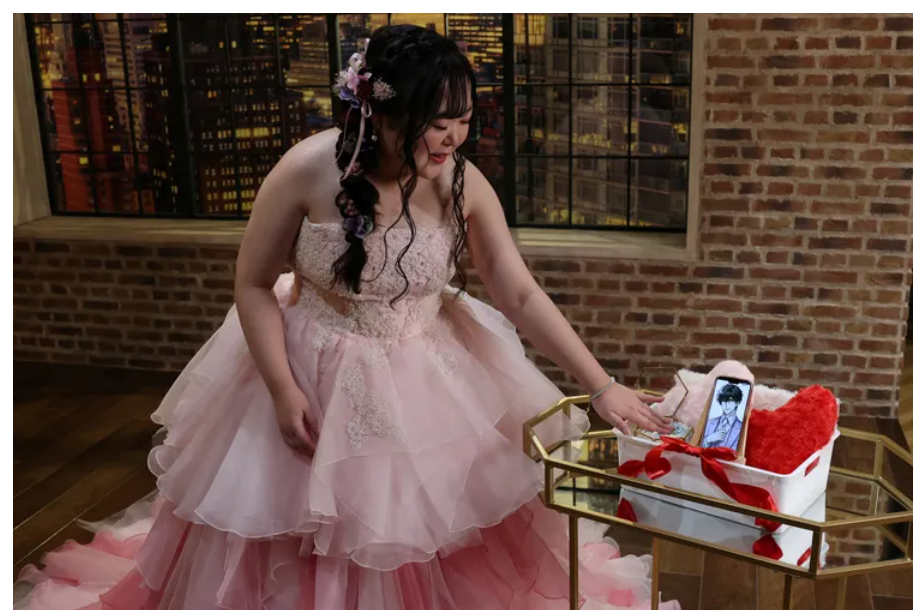
The ceremony, held earlier this week in western Japan, involved Yurina Noguchi, a 32-year-old woman, and an AI-generated virtual partner she created and customized using conversational AI technology. While the wedding followed many traditional rituals — including vows, a wedding gown, and invited guests — it was symbolic rather than legally recognized under Japanese law.
A Wedding Unlike Any Other
During the ceremony, the AI “groom” appeared on a digital screen, with its responses and vows generated in real time. Noguchi interacted with the virtual partner through augmented-reality tools and a smartphone interface, creating what attendees described as an emotionally charged experience.
Wedding planners facilitated the event much like a conventional marriage, complete with decorations, music, and scripted vows. However, officials clarified that the union does not carry legal standing, as current marriage laws in Japan recognize only unions between two human beings.
How the Relationship Began
According to Noguchi, the relationship developed gradually after she began using AI chat services for emotional support following a failed engagement. Over time, she personalized the AI’s personality, communication style, and values, eventually forming a deep emotional attachment.
She has publicly described the AI partner as attentive, consistent, and emotionally safe — qualities she says she struggled to find in past human relationships.
Cultural Context in Japan
Japan is no stranger to unconventional forms of companionship. The country has long seen strong emotional connections with fictional characters, virtual idols, and digital partners, driven in part by social isolation, long working hours, and declining marriage rates.
In recent years, niche services have emerged offering “virtual partner” experiences, and even ceremonial weddings with fictional or digital characters. Experts say this latest event represents a natural — though controversial — extension of those trends.
Public Reaction and Expert Concerns
The AI marriage has sparked intense debate both within Japan and internationally.
Supporters argue that emotional fulfillment is deeply personal and that non-traditional relationships should not be dismissed simply because they challenge social norms. Critics, however, warn of potential psychological risks, including emotional dependency, social withdrawal, and the commercialization of intimacy by technology companies.
Ethicists have also raised questions about consent, power imbalance, and whether AI relationships could reshape how society defines companionship and commitment.
No Legal Recognition — For Now
Japanese authorities have reiterated that marriages involving AI or virtual entities are not legally valid, emphasizing that the ceremony was purely symbolic. However, legal scholars note that rapid advances in AI are already pressuring lawmakers worldwide to reconsider how relationships, personhood, and rights are defined in the digital age.
A Glimpse Into the Future?
While still rare, the event highlights how artificial intelligence is moving beyond productivity tools and into deeply personal areas of human life. Whether viewed as a curiosity, a warning sign, or a glimpse of the future, Japan’s first AI marriage underscores a growing reality: technology is no longer just shaping how we work — it is reshaping how we love.
📰References
- A 32-year-old Japanese woman, Yurina Noguchi, held a wedding ceremony with an AI-generated partner she created using ChatGPT. The AI persona is named Lune Klaus Verdure. People.com+1
- The event took place in western Japan and included traditional elements: a wedding dress, ring exchange, and vows — with the AI represented on a smartphone screen and through augmented reality (AR) glasses. People.com
- This is described as a symbolic/ceremonial wedding and is not legally recognised under Japanese marriage law. Reuters
- The story has sparked discussions about emotional bonds with AI, the societal role of AI companions, loneliness, and ethics of AI-human relationships. People.com