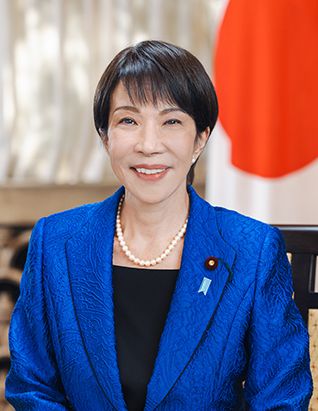
Japan’s Prime Minister Sanae Takaichi has vowed to lead the country in a new direction after winning a decisive victory in the latest national election, strengthening her grip on power and setting the stage for significant policy reforms.
The landslide result gives Takaichi’s ruling coalition one of its strongest mandates in decades, allowing her government to pursue sweeping changes across the economy, national security, and Japan’s role on the global stage.
A Strong Mandate From Voters
Speaking shortly after the election outcome, Takaichi said the public had delivered a clear message: Japan is ready for a “major policy shift” to confront growing challenges at home and abroad.
Her supporters view the victory as an endorsement of her conservative leadership style and her promise to restore stability after months of political uncertainty.
Economic Relief and Domestic Priorities
At the center of Takaichi’s agenda is the rising cost of living, an issue that has placed pressure on households across the country.
She has signaled that her administration will introduce new measures aimed at easing financial burdens, including potential tax adjustments and stronger government support for families and small businesses.
Economists, however, caution that Japan’s already heavy public debt could complicate large-scale spending plans.
A More Assertive Security Strategy
Takaichi has also made clear that Japan’s security posture will be a major focus of her next term.
With tensions increasing in East Asia, her government is expected to push for higher defense investment and closer cooperation with key allies. Observers say the election result could also revive long-running debates over revising Japan’s pacifist constitution, a politically sensitive issue with major regional implications.
Foreign Policy Under Global Spotlight
Internationally, Takaichi’s victory is being closely watched, particularly by neighboring powers such as China and North Korea, as well as Japan’s partners in Washington and Europe.
Analysts believe Japan may take on a more proactive role in shaping Indo-Pacific security, reflecting a shift away from the country’s traditionally restrained approach.
What Comes Next
With her coalition now holding a commanding majority in parliament, Takaichi has an opportunity few Japanese leaders enjoy: the ability to implement bold reforms without immediate electoral pressure.
The coming months will reveal whether her promised “major policy shift” will bring lasting change — or spark new debates over Japan’s future direction.
For now, her resounding victory marks a turning point in Japanese politics, with consequences that may be felt far beyond Tokyo.