Rebel Group Signals Shift Amid Pressure and Humanitarian Concerns
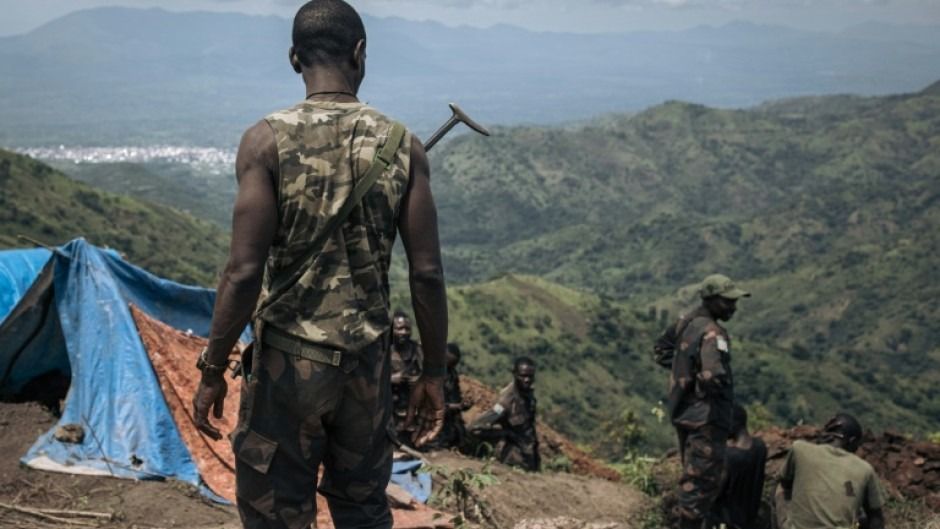
The M23 armed group has announced plans to withdraw its fighters from parts of eastern Democratic Republic of Congo (DRC), a development that could mark a significant turning point in one of Central Africa’s most volatile conflicts.
The announcement comes after months of intense fighting that has displaced hundreds of thousands of civilians, deepened regional tensions, and drawn in diplomatic efforts from neighbouring countries and international actors. While details of the withdrawal remain limited, the declaration has sparked cautious optimism—and skepticism—among observers.
What the M23 Is Saying
According to statements attributed to the group, the planned pullout is framed as a step toward de‑escalation and compliance with ongoing regional peace initiatives. The M23 claims the move is intended to allow space for political dialogue and humanitarian access in affected areas.
However, the group did not provide a clear timeline, nor did it specify whether the withdrawal would be complete or partial. Such ambiguity has raised questions about how meaningful the announcement will be on the ground.
A Conflict With Deep Roots
The M23 rebellion has its origins in long‑standing grievances linked to governance failures, ethnic tensions, and the aftermath of previous peace agreements in eastern Congo. The region—rich in mineral resources—has for decades been plagued by armed groups competing for control, often at great cost to civilians.
Renewed M23 offensives in recent years have intensified instability, prompting accusations, denials, and diplomatic strains across the Great Lakes region. Efforts by regional blocs to broker ceasefires have so far produced mixed results.
Reactions and Cautious Optimism
Congolese authorities and civil society groups have reacted cautiously to the announcement, stressing that previous withdrawal pledges by armed groups have not always translated into lasting peace. For communities that have endured repeated cycles of violence, trust remains fragile.
Humanitarian organisations, meanwhile, say any genuine reduction in fighting could ease access to displaced populations in urgent need of food, shelter, and medical care.
What Happens Next?
Analysts note that the true test of the M23’s declaration will lie in independent verification on the ground. Key questions include:
- Will fighters actually vacate occupied territories?
- Will heavy weapons be withdrawn or merely repositioned?
- Can regional and international monitors ensure compliance?
Without clear answers, fears persist that a withdrawal could be temporary or tactical rather than a step toward lasting peace.
A Fragile Window for Peace
If implemented fully, the pullout could open a narrow but important window for dialogue and stabilization in eastern Congo. But history suggests that announcements alone are not enough. Sustainable peace will require political will, regional cooperation, and sustained international engagement.
For now, the people of eastern DRC wait—hopeful, yet wary—that this latest development will bring more than words, and finally offer relief from years of conflict.
References
- Reuters: Rwanda-backed M23 rebels say they will withdraw from Uvira after US request — Reports on the group’s intention to pull back from the strategically important city of Uvira following U.S. diplomatic pressure, and contextualizes this amid broader peace efforts and displacement. Reuters
- Africanews: M23 rebels withdraw from Uvira in DRC peace move — Confirms the rebel coalition’s announcement of a pullback framed as a peace gesture, linked to ongoing negotiation efforts. Africanews
- AP News: Rwanda-backed M23 rebels say they will withdraw… — Notes the withdrawal proclamation as a “unilateral trust-building measure,” while noting that fighters were still reported on the ground and places the development in the context of recent offensives and humanitarian impact. A