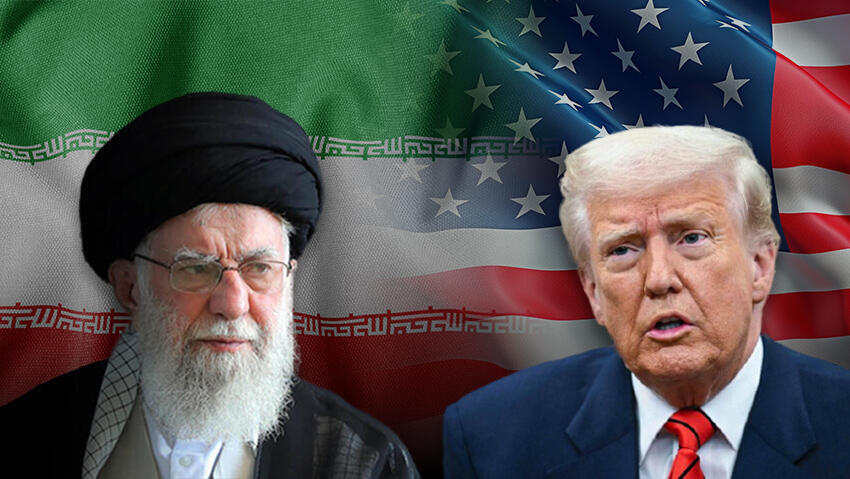
Escalating tensions between the United States and Iran are sending shockwaves through the global economy, raising fears of a prolonged crisis with far-reaching consequences.
At the heart of the turmoil is the growing risk of disruption to critical energy infrastructure and shipping routes, particularly the Strait of Hormuz—a vital artery through which roughly one-fifth of the world’s oil
supply flows. As hostilities intensify and diplomatic efforts stall, markets are increasingly pricing in the possibility of sustained supply shocks.
Oil prices have surged above $100 per barrel, reflecting mounting concerns over restricted flows and damaged infrastructure. Analysts warn that continued disruption could tighten global supply significantly, with some estimates suggesting millions of barrels per day are already affected.
The impact is being felt across financial markets. Global equities have shown heightened volatility, while investor confidence remains fragile amid uncertainty over whether the conflict will escalate further or move toward de-escalation. Even temporary pauses in military action have done little to reassure markets, underscoring the depth of concern.
Beyond markets, the broader economic implications are becoming clearer. Rising energy costs are feeding inflationary pressures worldwide, increasing the cost of transportation, manufacturing, and basic goods. In several economies, declining consumer confidence and slowing industrial activity are already emerging as early warning signs of deeper economic strain.
Global leaders have called for restraint, warning that further escalation could destabilize not only the region but the international economic system as a whole. With supply chains still recovering from previous shocks and inflation remaining a key concern, the stakes are particularly high.
Ultimately, the trajectory of the crisis will determine whether it remains a regional conflict or evolves into a broader global economic disruption. For now, uncertainty dominates—leaving governments, markets, and households bracing for potential fallout.