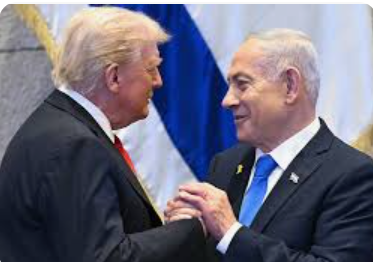
Israeli Prime Minister Benjamin Netanyahu is set to meet with President Trump in Washington this week, with Iran negotiations expected to be the central focus of their discussions.
The meeting comes at a critical time, as renewed diplomatic efforts involving Iran are drawing global attention. For Israel, the outcome of these talks carries serious implications for regional security and long-term stability in the Middle East.
Why This Meeting Is Significant
Iran’s nuclear ambitions and its expanding influence across the region have remained a major concern for both the United States and Israel. While Washington is exploring diplomatic options, Israel has consistently emphasized that any agreement must ensure Iran cannot strengthen its military capabilities or threaten neighboring states.
Netanyahu’s decision to move up this visit reflects the urgency Israel places on having a direct voice in the negotiations.
Israel’s Position on a Future Deal
Israeli leaders have repeatedly argued that negotiations should not focus solely on nuclear activity. They insist that Iran’s ballistic missile program and its support for armed groups across the region must also be addressed.
From Israel’s perspective, leaving these issues unresolved would fail to eliminate the broader security risks.
Trump’s Role and Regional Impact
President Trump’s approach to Iran remains a major factor shaping international diplomacy. His discussions with Netanyahu are expected to highlight the shared priorities—and possible differences—between the two allies on how best to confront Iran’s ambitions.
The decisions emerging from this meeting could influence not only U.S.–Iran relations, but also the wider balance of power in the Middle East.
Looking Ahead
As tensions continue across the region, this meeting represents more than routine diplomacy. It is a high-stakes engagement that could shape the direction of future negotiations and determine whether the region moves toward greater stability or renewed confrontation.