Nigeria’s government has renewed its push for a comprehensive security overhaul as the country
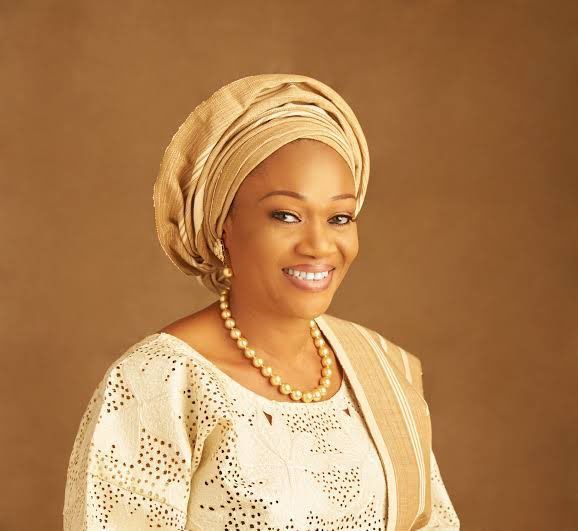
grapples with persistent insecurity ranging from banditry and kidnappings to insurgency and communal violence. First Lady Oluremi Tinubu recently underscored the administration’s commitment to reforming the nation’s security architecture, describing safety and stability as central to Nigeria’s social and economic future.
Speaking at a public forum focused on national cohesion and development, the First Lady highlighted ongoing efforts by the federal government to strengthen security institutions, improve coordination among agencies, and address the underlying social factors that fuel violence. Her remarks reflect a broader narrative from President Bola Tinubu’s administration, which has repeatedly framed security reform as a top national priority.
Nigeria, Africa’s most populous country, has faced complex security challenges for more than a decade. In the northeast, the Boko Haram insurgency and its splinter groups continue to threaten communities despite years of military operations. In the northwest and north-central regions, armed banditry and mass kidnappings have disrupted daily life, while farmer–herder clashes and separatist tensions affect parts of the south.
According to government officials, the current overhaul aims to move beyond a purely military response. Reforms include increased investment in intelligence gathering, better training and welfare for security personnel, and closer collaboration between federal forces and local communities. The administration has also emphasized the importance of economic empowerment, education, and youth engagement as long-term solutions to insecurity.
“The fight for peace is not only about weapons,” the First Lady noted, stressing that poverty, unemployment, and social exclusion remain powerful drivers of conflict. Her comments echo the views of many analysts who argue that Nigeria’s security crisis cannot be resolved without addressing governance and development gaps.
Despite these commitments, significant challenges remain. Critics point to longstanding issues such as inadequate funding, corruption, and weak accountability within security institutions. Human rights groups have also raised concerns about allegations of abuses by security forces, warning that such actions can erode public trust and undermine counterinsurgency efforts.
There is also debate over structural reforms, including calls for state or community policing. Proponents argue that decentralizing security could improve response times and local intelligence, while opponents caution that it could be misused in Nigeria’s highly polarized political environment. So far, progress on this front has been gradual, reflecting the sensitivity of constitutional and political considerations.
For ordinary Nigerians, the impact of insecurity is deeply personal. Farmers displaced by violence struggle to maintain livelihoods, businesses face rising costs due to security risks, and families live with the fear of abductions on highways and in schools. These realities continue to test public confidence in government promises of reform.
International partners are watching closely. Nigeria plays a key role in regional stability in West Africa, and prolonged insecurity has cross-border implications, including arms trafficking and forced migration. The government has sought greater cooperation with neighboring countries and international allies, particularly in intelligence sharing and counterterrorism training.
As Nigeria pushes forward with its security overhaul, expectations remain high but cautious. The First Lady’s message of reform and social responsibility has been welcomed by supporters as a sign of inclusive leadership, while skeptics argue that meaningful change will depend on consistent implementation rather than rhetoric.
For many observers, the coming years will be decisive. Whether Nigeria can translate renewed political will into lasting security gains will shape not only its domestic stability, but also its role on the African continent and the global stage.