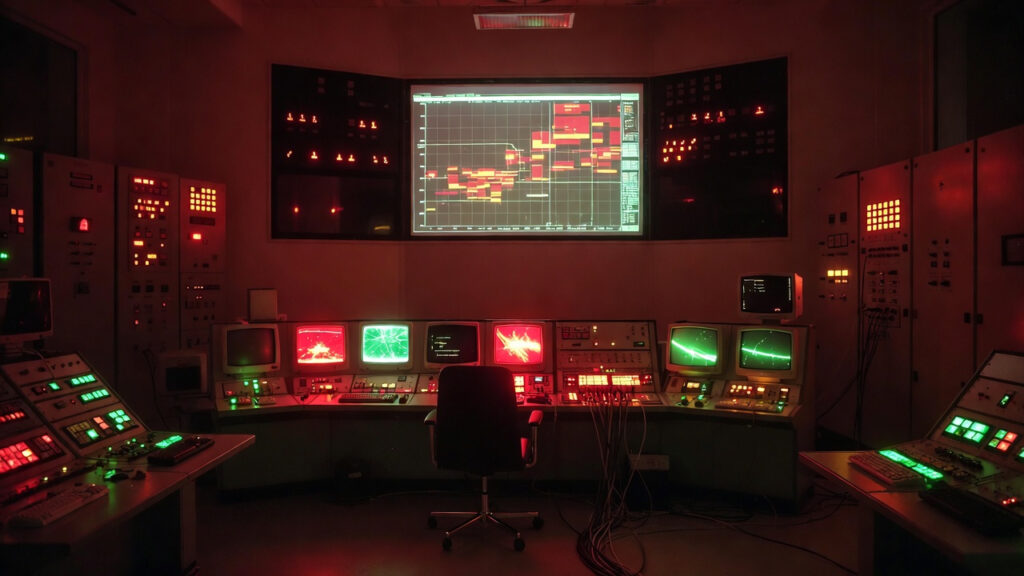
Nigeria has experienced another collapse of its national electricity grid, resulting in a widespread power outage across several parts of the country. The incident, which occurred without prior notice, disrupted electricity supply to homes, businesses, and public institutions, once again drawing attention to the persistent challenges facing the nation’s power sector.
Reports from electricity distribution companies indicated a sudden drop in power generation and load allocation, leading to partial or total blackouts in many states. Major urban centres, including state capitals and commercial hubs, were affected, while rural communities also experienced prolonged disruptions. Although power restoration efforts commenced shortly after the incident, supply returned gradually and unevenly across different regions.
The national grid is the central system through which electricity generated from various power plants is transmitted and distributed nationwide. Its collapse typically occurs when there is a system-wide disturbance that forces generating units and transmission lines to shut down to prevent further damage. When this happens, electricity supply across the country can be severely impacted until the grid is stabilised and generation is restored.
This latest incident adds to a series of grid collapses recorded in recent years. Nigeria has experienced multiple partial and total grid failures, reflecting ongoing operational and structural difficulties within the electricity network. While some progress has been made in power sector reforms, the recurrence of such events suggests that significant challenges remain.
Immediate Impact on Daily Life and Economic Activity
The power outage had immediate effects on daily activities and economic operations. Many businesses were forced to rely on alternative power sources, such as diesel or petrol generators, leading to increased operating costs. Small and medium-sized enterprises, which often lack the resources to sustain prolonged generator use, were particularly affected.
Households also faced disruptions, especially in areas where electricity supply had been relatively stable prior to the incident. Access to basic services such as water supply, telecommunications, and internet connectivity was impacted in some locations, highlighting the interconnected nature of electricity with other essential services.
Healthcare facilities, educational institutions, and public offices were not exempt from the disruption. While critical facilities often have backup power systems, extended outages can strain these alternatives and increase operational expenses. The situation underscores the importance of reliable electricity supply for social services and national development.
Response from Power Sector Stakeholders
Following the collapse, relevant authorities and sector operators confirmed that efforts were underway to restore power. The system operator initiated procedures to stabilise the grid, gradually reconnecting generating units and transmission lines. Distribution companies communicated with customers through public notices, acknowledging the outage and providing updates on restoration progress.
In previous incidents, sector officials have attributed grid collapses to a combination of factors, including transmission line faults, frequency instability, sudden loss of generation, and external disturbances. While investigations are typically conducted after such events, detailed findings are often released later, if at all.
The Federal Ministry of Power and other regulatory bodies have repeatedly emphasised their commitment to improving grid stability. Ongoing initiatives include upgrades to transmission infrastructure, expansion of generation capacity, and policy measures aimed at strengthening sector governance. However, the effectiveness and pace of these efforts continue to be a subject of public discussion.
Structural Challenges Within the Power System
Nigeria’s electricity sector operates within a complex framework involving generation companies, a central transmission network, and multiple distribution companies. Each segment faces its own challenges, and weaknesses in any part of the chain can affect overall system performance.
The transmission network, which plays a critical role in maintaining grid stability, has long been identified as a key bottleneck. Much of the infrastructure is aging and operates near its capacity limits. As new power plants are added, the transmission system must be expanded and reinforced to handle increased load and prevent system overloads.
Power generation is another area of concern. While Nigeria has significant installed generation capacity, actual output often falls below potential due to issues such as gas supply constraints, plant maintenance challenges, and financial limitations. Fluctuations in generation can contribute to system instability if not properly managed.
Distribution companies also face operational and financial pressures, including energy losses, revenue collection challenges, and infrastructure deficits. These issues affect their ability to invest in network improvements and can indirectly influence grid performance.
Economic and Policy Implications
Repeated grid collapses have broader economic implications. Reliable electricity supply is widely regarded as a foundation for industrial growth, investment attraction, and job creation. Power disruptions increase production costs, reduce competitiveness, and can discourage both local and foreign investment.
From a policy perspective, the incidents highlight the need for sustained investment and coordinated planning across the power sector. Analysts often point to the importance of long-term infrastructure development, improved system monitoring, and enhanced technical capacity to reduce the frequency of grid failures.
There is also growing discussion around the role of decentralised and alternative energy solutions. Off-grid and embedded power systems, including solar and other renewable sources, are increasingly seen as complementary options that can reduce pressure on the national grid, particularly in underserved areas.
Public Perception and Expectations
Public reaction to grid collapses is often shaped by frustration with the frequency of outages and the slow pace of improvement. Many citizens have adjusted their lifestyles around unreliable electricity, investing in personal power solutions where possible. However, such adaptations come at a financial and environmental cost.
At the same time, there is recognition that power sector reform is a long-term process requiring consistent policy direction, investment, and institutional capacity. Stakeholders, including consumers, businesses, and civil society groups, continue to call for transparency, accountability, and measurable progress.
Looking Ahead
As power restoration continues following the latest grid collapse, attention is likely to shift toward preventing future occurrences. Strengthening grid resilience will require a combination of technical upgrades, operational discipline, and financial sustainability across the electricity value chain.
Investments in modern grid management systems, improved forecasting, and real-time monitoring could help reduce the risk of system-wide failures. Additionally, clearer coordination among sector operators and regulators may improve response times and system recovery when disturbances occur.
Ultimately, achieving a stable and reliable electricity supply remains a central objective for Nigeria’s development agenda. While challenges persist, sustained commitment to reform and infrastructure development will be essential to reducing the frequency of grid collapses and meeting the country’s growing energy needs.