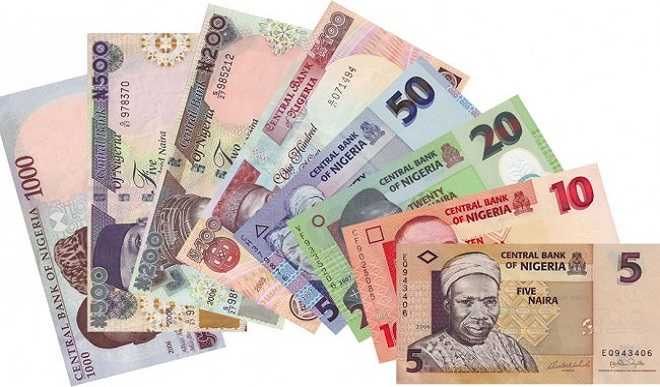
Following the U.S. threat of potential military intervention, Nigeria’s international bonds slipped in early Monday trading, reflecting investor anxiety over geopolitical tension and economic stability. Reuters reports that Nigerian sovereign bonds fell by around 0.3 to 0.5 cents on the dollar, while the naira held steady amid cautious optimism from the Central Bank.
Economists argue that political risk remains one of Nigeria’s most persistent economic constraints. While the fundamentals of Africa’s largest economy—oil exports, tech sector growth, and domestic reforms—remain solid, sudden diplomatic tensions can unsettle investor confidence.
Historically, Nigerian markets have reacted swiftly to international headlines, especially those invoking instability or sanctions. The Trump episode underscores the interconnectedness of politics and economics: perception often shapes market performance as strongly as policy does.
For Nigeria to safeguard its economy, experts recommend reinforcing diplomatic communication, improving data transparency, and maintaining consistent messaging to global partners. In an age of algorithmic trading and media amplification, the line between rumor and reality has never been thinner.
Nigeria’s response to this financial tremor will be a test not just of monetary policy, but of strategic communication—a discipline as vital to national development as economics itself.
#NigeriaEconomy #NigeriaBonds #FinancialMarkets #Geopolitics #USRelations #EconomicDevelopment #AfricaFinance #Naira #EmergingMarkets #GlobalEconomy