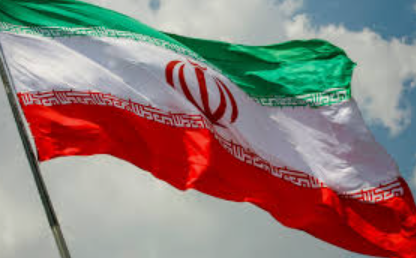
Protests against Iran’s ruling establishment have continued across several cities, drawing heightened international scrutiny as authorities reopened the country’s airspace following a temporary closure earlier this week. The unrest, which has persisted despite a heavy security presence, has renewed concerns over human rights, regional stability, and potential diplomatic fallout.
Demonstrations have been reported in major urban centers, with protesters voicing anger over political repression, economic hardship, and restrictions on civil liberties. Security forces have been deployed nationwide, and access to the internet and social media platforms has reportedly been disrupted intermittently, making it difficult to independently verify events on the ground.
The United States said on Thursday that Iran has “halted the killing of protesters,” a statement that came amid mounting global pressure on Tehran to curb the use of force against civilians. U.S. officials emphasized that Washington continues to monitor the situation closely and urged Iranian authorities to respect the rights of peaceful demonstrators.
Iranian officials have not publicly confirmed the U.S. claim and have repeatedly described the protests as unrest instigated by foreign actors. State media has framed the demonstrations as limited in scope, while warning that security forces will respond firmly to what authorities describe as violence or vandalism.
The reopening of Iranian airspace after a brief shutdown signaled a partial return to normal operations, though analysts say the move does little to ease broader concerns about internal stability. The earlier closure had disrupted international and regional flights, raising speculation that authorities were bracing for further escalation.
International human rights organizations have expressed alarm over reports of arrests, injuries, and deaths linked to the protests. Several governments have called for restraint, transparency, and accountability, while urging Iran to allow independent investigations into allegations of excessive force.
The unrest comes at a sensitive time for Iran, which is already facing economic pressure from international sanctions and strained relations with Western powers. Observers warn that prolonged instability could complicate diplomatic efforts on a range of issues, including nuclear negotiations and regional security.
Despite the government’s efforts to contain the demonstrations, activists say public anger remains strong, fueled by longstanding grievances and frustration with limited political freedoms. Whether the protests will subside or intensify remains uncertain, but analysts agree that the situation has placed Iran under renewed global scrutiny.
As tensions persist, the international community continues to watch closely, with many calling for dialogue and de-escalation to prevent further violence and instability.