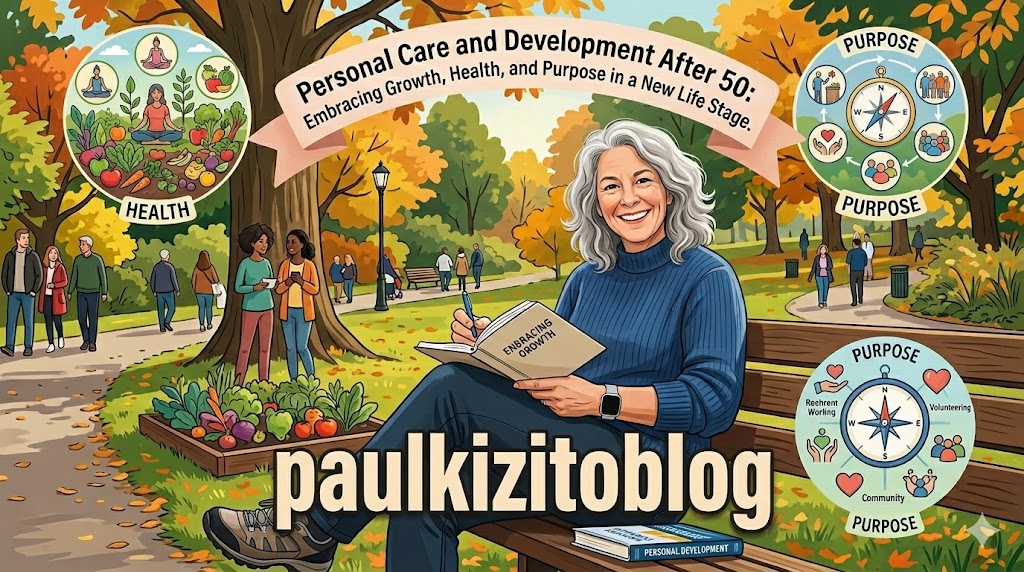
Reaching the age of 50 is often described as a milestone, yet for many people it represents something deeper than simply marking the passage of time. It is a period when priorities begin to shift, perspectives
mature, and individuals gain a clearer understanding of what truly matters. Rather than viewing this stage as the beginning of decline, modern thinking increasingly recognises life after 50 as an opportunity for renewal, reinvention, and intentional living. Personal care and development during this phase are not limited to physical health alone; they encompass emotional balance, intellectual engagement, social connection, financial awareness, and the pursuit of purpose.
One of the most important aspects of personal care after 50 is maintaining physical wellbeing. The body naturally undergoes changes as metabolism slows, muscle mass gradually decreases, and recovery from physical strain may take longer than in earlier years. However, these changes do not mean vitality must be lost. With consistent attention to movement and nutrition, many individuals experience improved health and energy well into later life. Regular physical activity becomes less about intense performance and more about sustainability. Walking, stretching, light strength training, yoga, or swimming can help maintain flexibility, strengthen bones, and improve cardiovascular health. Exercise also plays a powerful role in mental wellbeing, as it releases endorphins that reduce stress and improve mood. Equally important is preventive healthcare. Routine screenings, medical consultations, and awareness of personal health indicators empower individuals to address potential problems early rather than reacting to illness after it develops.
Nutrition becomes increasingly significant at this stage of life. The body requires nutrient-dense foods that support immunity, brain function, and joint health. Balanced meals rich in vegetables, fruits, whole grains, lean proteins, and healthy fats help stabilise energy levels and reduce the risk of chronic diseases. Many people over 50 discover that mindful eating—paying attention to portion sizes and food quality—makes a noticeable difference in how they feel daily. Hydration, often overlooked, also contributes to cognitive clarity and physical comfort. Small lifestyle adjustments, when practiced consistently, often produce greater long-term benefits than extreme changes attempted for short periods.
Beyond physical health, mental development becomes a defining element of life after 50. Contrary to outdated assumptions, the brain remains capable of growth and adaptation throughout life. Learning new skills stimulates neural connections and strengthens cognitive resilience. Whether it is studying a language, learning digital tools, exploring photography, or engaging in creative writing, intellectual curiosity helps maintain mental sharpness. Many individuals find renewed excitement when they return to interests they once set aside due to career or family obligations. Continuous learning not only supports memory but also fosters confidence and a sense of relevance in a rapidly changing world.
Technology, once perceived as a barrier for older generations, has become an important avenue for development and connection. Embracing digital literacy allows individuals to access online education, communicate with family across distances, manage finances efficiently, and explore new professional opportunities. Rather than resisting change, adapting to modern tools can enhance independence and expand social engagement. For many people above 50, mastering technology represents a symbolic reminder that growth does not end with age.
Emotional wellbeing also undergoes significant transformation during this period. Life experience often brings wisdom, but it may also carry unresolved regrets, grief, or stress accumulated over decades. Personal development after 50 involves intentional emotional reflection. Individuals begin to reassess past choices, relationships, and personal goals, often seeking peace rather than constant achievement. Practices such as meditation, prayer, journaling, or quiet reflection can help individuals process emotions and cultivate inner stability. Emotional maturity allows many people to release unnecessary pressures, focusing instead on authenticity and contentment.
Relationships often evolve as well. Children may become independent, careers may slow or change direction, and social circles may shift. This transition provides an opportunity to strengthen meaningful connections while letting go of relationships that create unnecessary stress. Healthy social interaction contributes significantly to longevity and mental health. Conversations, shared experiences, and community involvement provide emotional support and reduce feelings of isolation. Many individuals rediscover the importance of friendship during this stage, recognising that companionship is a vital component of wellbeing.
Purpose becomes a central theme in personal development after 50. Earlier decades of life are frequently dominated by responsibilities—building careers, raising families, and meeting societal expectations. Later life offers space to ask deeper questions about meaning and contribution. Some individuals pursue long-delayed passions such as writing, art, farming, or travel. Others find fulfillment in mentoring younger people, volunteering, or community service. Purpose does not always require grand achievements; it often emerges through consistent acts of contribution and connection.
Financial awareness is another important dimension of personal care. While financial planning ideally begins earlier, individuals over 50 often reassess their economic priorities with renewed seriousness. Reviewing savings, managing debt, and planning for retirement provide a sense of security that reduces anxiety about the future. Personal development at this stage includes understanding how to balance enjoyment of the present with preparation for later years. Some individuals explore entrepreneurship, consulting, or part-time ventures that combine experience with flexibility, proving that productivity and innovation are not limited by age.
Spiritual growth also becomes increasingly meaningful for many people. Regardless of religious background, individuals often seek deeper understanding of life’s purpose and their place within a broader human experience. Spiritual reflection can provide comfort during transitions and help individuals develop gratitude for achievements and lessons learned. Gratitude itself has been shown to improve emotional wellbeing, shifting attention away from loss toward appreciation of relationships, health, and personal growth.
Another significant aspect of development after 50 is identity reinvention. Society sometimes promotes narrow expectations about ageing, suggesting reduced ambition or limited opportunity. Yet countless examples demonstrate that creativity and leadership can flourish later in life. Many individuals begin entirely new careers, pursue academic degrees, or launch creative projects during this period. Freed from earlier pressures, they often approach goals with greater clarity and resilience. Reinvention is not about rejecting the past but integrating experience into new possibilities.
Self-care also involves maintaining independence while accepting support when necessary. Learning to balance autonomy with openness to help reflects emotional strength rather than weakness. Building supportive networks—family, friends, healthcare professionals, and community groups—ensures that individuals remain connected and supported through life’s inevitable changes. Independence thrives best within a framework of mutual care.
Sleep and stress management deserve particular attention as well. Quality sleep becomes essential for memory, immune function, and emotional regulation. Establishing consistent sleep routines, limiting excessive screen exposure before bedtime, and creating calm evening habits contribute to restorative rest. Stress management techniques such as deep breathing, gentle exercise, or time spent in nature help regulate the nervous system and maintain mental clarity.
Creativity often re-emerges strongly after 50 because individuals feel less constrained by external expectations. Painting, music, storytelling, gardening, or craftsmanship can become powerful outlets for expression and relaxation. Creative engagement stimulates the brain while offering emotional satisfaction. Many people discover talents they never previously explored simply because they finally have the time and confidence to do so.
Social contribution further enhances personal development. Sharing accumulated knowledge benefits both individuals and communities. Mentorship allows older adults to pass on wisdom gained through experience while remaining intellectually engaged. Intergenerational relationships foster mutual respect, bridging gaps between age groups and strengthening communities. Younger people gain guidance, while older individuals gain renewed perspective and energy.
Importantly, personal care after 50 requires a shift in mindset. Instead of measuring success solely through productivity or external recognition, many individuals begin valuing peace, health, and meaningful relationships. This psychological transition often leads to greater life satisfaction. Acceptance of change becomes a strength rather than a limitation. Ageing, when approached consciously, encourages resilience, patience, and appreciation for the present moment.
Challenges inevitably arise during this stage, including health concerns, career transitions, or loss of loved ones. Personal development does not eliminate these difficulties but equips individuals with tools to navigate them. Emotional resilience, cultivated through reflection and supportive relationships, allows people to adapt while maintaining hope and purpose.
Ultimately, life after 50 represents a powerful chapter defined by choice. Individuals can decide how they care for their bodies, stimulate their minds, nurture relationships, and contribute to society. Personal growth at this stage is less about becoming someone new and more about becoming fully oneself. Experience, wisdom, and self-awareness combine to create opportunities for fulfillment that may not have been possible earlier in life.
The journey of personal care and development beyond 50 reminds us that growth is lifelong. Each day presents opportunities to learn, connect, and improve wellbeing. When individuals embrace this period with curiosity and intention, ageing transforms from a feared process into a meaningful evolution. Rather than an ending, it becomes a stage marked by deeper understanding, renewed energy, and the freedom to live according to values shaped by decades of experience.