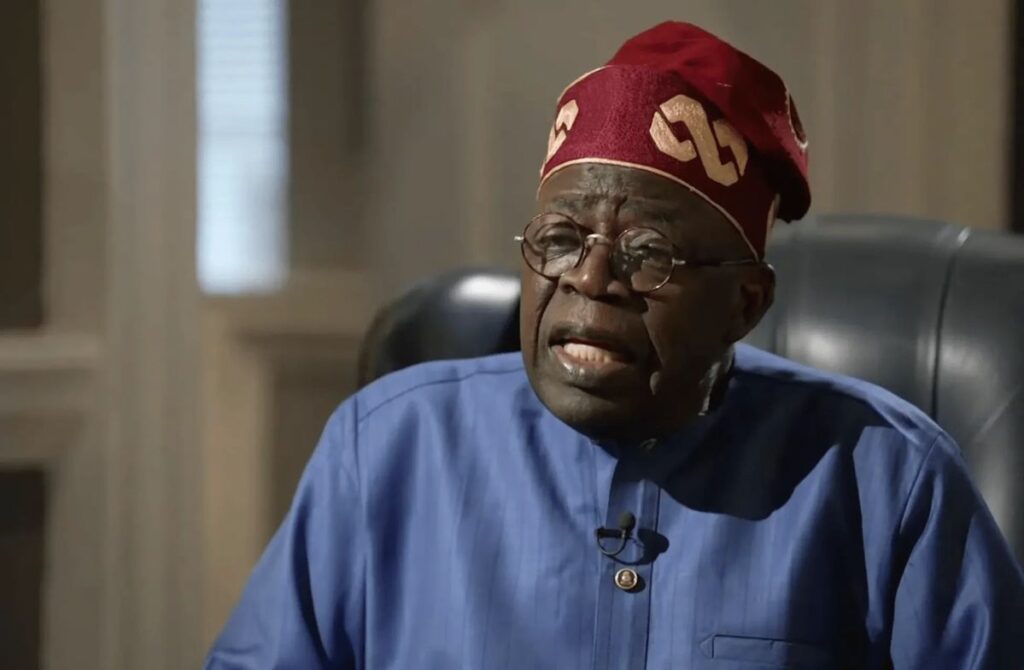
Nigeria’s security landscape shifted significantly today after President Bola Tinubu directed the immediate withdrawal of all police officers assigned to guard VIPs. The move marks a renewed push to refocus police manpower on community safety and core policing duties, rather than elite protection.
What the New Order Means
The directive, delivered during a high-level security meeting at the State House, mandates that police personnel — particularly those from the Police Mobile Force — cease all VIP escort and guard duties. VIPs who still require protection are now expected to channel their requests through the Nigeria Security and Civil Defence Corps (NSCDC), which will assume responsibility for such assignments.
At the same time, the President approved the recruitment of 30,000 additional police officers nationwide. The goal is to strengthen community policing and increase presence in areas with limited security coverage.
Why This Matters
1. Redirecting Officers to Core Policing
For many years, a significant number of officers — including tactical Mobile Police units — have been deployed to guard individuals rather than communities. Redirecting them to regular duties could help address persistent gaps in patrols, emergency response, and rural security.
2. Strengthening the Police Mobile Force (PMF)
The PMF was created as a tactical unit for rapid response to violent incidents, riots, and national emergencies. Their deployment to VIP protection has been criticized as a misuse of specialized training. Today’s directive reaffirms that they must return to their core operational roles.
3. Reducing Privilege-Based Security
This action also addresses long-standing concerns about a policing structure where influential individuals receive the bulk of protection while ordinary citizens face rising insecurity. Reassigning VIP protection to the NSCDC is intended to reduce the perception that security can be privatized through political or economic influence.
Possible Challenges Ahead
- Implementation Consistency: Past directives of this nature were not fully enforced. Ensuring compliance this time will require strict oversight from police authorities.
- Capacity of the NSCDC: The NSCDC will need to manage increased demands for VIP security without compromising its other responsibilities.
- Training Requirements: The 30,000 new recruits must be adequately trained and deployed strategically for the reform to produce real impact.
- Public Expectations: Citizens expect noticeable improvement in community security. The coming months will reveal whether this policy can deliver that change.
My Take
This directive is ambitious, timely, and potentially transformative. Nigeria’s policing system has long required a reset — one that prioritizes public safety over political privilege. If implemented diligently, the withdrawal of officers from VIP duties could lead to better policing outcomes across the country.
However, the success of this reform will depend heavily on execution, transparency, and the capacity of both the police and the NSCDC. It is a move with promise — but one that must be backed by discipline, proper logistics, and continuous public accountability.
References
- Breaking: Tinubu orders withdrawal of police officers guarding VIPs — Vanguard
https://www.vanguardngr.com/2025/11/breaking-tinubu-orders-withdrawal-of-police-officers-guarding-vips - Tinubu orders withdrawal of police escorts from VIPs — Pulse Nigeria
https://www.pulse.ng/articles/news/tinubu-orders-withdrawal-of-police-escorts-from-vip-2025112411322633804 - Egbetokun orders withdrawal of mobile police officers from VIPs nationwide — TheCable
https://www.thecable.ng/egbetokun-orders-withdrawal-of-mobile-police-officers-from-vips-nationwide - IGP orders immediate withdrawal of mobile police officers from VIPs — Nairametrics
https://nairametrics.com/2025/04/23/igp-orders-immediate-withdrawal-of-mobile-police-officers-from-vips - IGP orders withdrawal of mobile policemen from VIPs — Independent
https://independent.ng/igp-orders-withdrawal-of-mobile-policemen-from-vips-nationwide - IGP orders withdrawal of mobile police officers from VIPs amid insecurity challenge — Information Nigeria
https://www.informationng.com/2025/04/igp-orders-withdrawal-of-mobile-police-officers-from-vips-amid-insecurity-challenge - IGP never withdrew all escorts — Police clarification — Daily Post
https://dailypost.ng/2023/11/09/igp-never-withdrew-police-officers-from-vips-adejobi