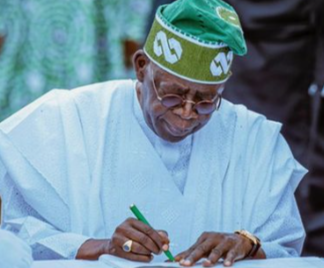
President Bola Ahmed Tinubu has approved the constitution of a high-level committee to oversee the development and coordination of the proposed Grid Management Company, a move aimed at strengthening the
management of Nigeria’s national electricity transmission system and improving stability within the country’s power sector.
The decision reflects the federal government’s renewed commitment to reforming critical infrastructure responsible for delivering electricity across the country. By establishing the committee, the administration intends to create a stronger framework for managing the national grid and ensuring that power generated from various plants can be transmitted efficiently to distribution companies and ultimately to consumers.
Nigeria’s electricity sector has long faced structural challenges, particularly in the transmission segment. While reforms in past years opened up electricity generation and distribution to private participation, the transmission network has remained a central point of vulnerability. Frequent system disturbances and occasional nationwide grid collapses have continued to disrupt electricity supply, highlighting the urgent need for stronger oversight and improved management structures.
The newly constituted committee is expected to guide the creation and operational framework of the Grid Management Company. Its responsibilities include reviewing the current structure of grid operations, recommending governance models, and ensuring that the new system aligns with the broader goals of the federal government’s power sector reforms.
Currently, the national grid is managed by the Transmission Company of Nigeria, the government-owned institution responsible for transmitting electricity from generation plants to distribution networks nationwide. Any restructuring within the grid management architecture therefore requires careful coordination with existing institutions to ensure that electricity supply remains stable throughout the reform process.
Officials familiar with the development indicate that the committee will include senior government representatives, experienced engineers, energy policy specialists, and regulators from key agencies within the power sector. Their collective expertise will be used to develop a roadmap for strengthening grid reliability and improving operational efficiency.
The creation of a Grid Management Company is intended to introduce a more specialized and technically focused structure dedicated to maintaining the stability of Nigeria’s electricity transmission network. Experts believe that separating technical grid coordination from other operational functions can significantly improve the ability of the system to respond quickly to fluctuations in electricity supply and demand.
Nigeria’s growing population and expanding industrial base have increased pressure on the national grid in recent years. Although several power plants generate electricity across the country, transmission limitations often prevent the full capacity of those plants from reaching consumers. As a result, businesses and households frequently experience unreliable power supply.
Reliable electricity remains one of the most critical foundations for economic growth and national development. Industries depend on consistent power supply to operate efficiently, while small businesses rely on electricity to remain competitive. Without improvements in transmission infrastructure and grid management, even increased generation capacity may not translate into better electricity delivery for consumers.
President Tinubu’s administration has emphasized the importance of energy reforms as part of its broader economic agenda. Improving the performance of the national grid is seen as essential for attracting new investments into the electricity sector and supporting the government’s long-term development plans.
The committee will also examine international best practices in grid management to determine how similar systems operate in other countries. Many advanced electricity markets utilize independent grid operators that monitor power flows in real time, coordinate generation with demand, and quickly respond to disruptions to maintain system balance.
Such models could offer valuable lessons for Nigeria as it seeks to modernize its power infrastructure. Implementing modern monitoring technologies, automated control systems, and advanced planning tools could significantly reduce the likelihood of large-scale power outages.
Another area expected to receive attention from the committee is the integration of renewable energy into the national grid. As Nigeria explores opportunities to expand solar and other renewable power sources, managing fluctuations in electricity generation will require sophisticated grid coordination mechanisms.
Energy analysts say that strengthening grid management will also improve investor confidence in Nigeria’s power sector. Investors are often cautious about committing large sums to electricity projects when transmission limitations prevent generated power from reaching customers. A more reliable and professionally managed grid could therefore unlock additional financing for power infrastructure development.
The committee’s recommendations will likely shape the operational structure of the Grid Management Company and determine how it interacts with existing energy institutions and regulatory bodies. Ensuring transparency, accountability, and technical competence in the new structure will be crucial to the success of the initiative.
For millions of Nigerians who continue to experience inconsistent electricity supply, the federal government’s effort to improve grid management represents an important step toward long-term reform. If successfully implemented, the initiative could help reduce the frequency of system disturbances, strengthen the reliability of electricity transmission, and improve overall service delivery across the country.
As the committee begins its work, stakeholders across the power sector will be closely watching its progress. The recommendations that emerge from this process may play a decisive role in shaping the future of Nigeria’s electricity transmission system and supporting the country’s broader economic development goals under the leadership of President Tinubu.