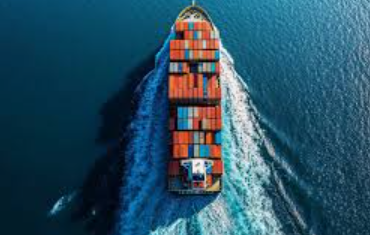
A fragile sense of relief is emerging in global shipping markets as tensions around the Strait of Hormuz show early signs of easing, following signals from Iran indicating conditional openness to maritime transit.
Recent developments suggest that Tehran may allow the passage of vessels it considers “non-hostile” or aligned with neutral or friendly nations. This controlled access approach marks a shift from earlier fears of a near-total blockade, offering limited reassurance to global energy and shipping markets.
However, the situation remains far from stable. Shipping traffic through the strait—one of the world’s most critical energy corridors—has dropped dramatically in recent weeks due to security concerns, with many vessels avoiding the route altogether or anchoring nearby.
The Strait of Hormuz handles roughly 20% of global oil supply, making any disruption a major risk to international trade and energy flows. Even partial restrictions have already triggered sharp increases in oil prices and shipping costs, while insurers and operators remain cautious about resuming normal transit.
Temporary Market Relief
Energy markets have responded modestly to signs of de-escalation:
- Oil prices have shown periods of stabilization after earlier spikes
- Some vessels have resumed limited movement under stricter conditions
- Diplomatic signals have slightly improved short-term sentiment
Yet analysts warn that this relief may be short-lived, as the underlying conflict between the United States and Iran remains unresolved.
Ongoing Risks to Global Trade
Despite the slight easing, several risks continue to dominate:
- Unpredictable security environment, including past attacks on vessels
- Conditional access rules, creating uncertainty for global shipping companies
- Rising operational costs, including insurance premiums and rerouting expenses
- Potential re-escalation, which could quickly halt progress
Shipping firms are already reporting significant financial strain, with some vessels stranded and costs rising sharply due to delays and security measures.
Broader Economic Implications
The continued instability in the Strait of Hormuz underscores the vulnerability of global trade systems to geopolitical shocks. Beyond oil, disruptions are affecting petrochemicals, manufacturing inputs, and broader supply chains, contributing to inflationary pressures worldwide.
Conclusion
While Iran’s signals of limited cooperation have provided a temporary easing of tensions, uncertainty still defines the outlook. The Strait of Hormuz remains a geopolitical flashpoint, and global trade flows continue to operate under heightened risk.
For now, markets may be breathing—but they are far from calm.