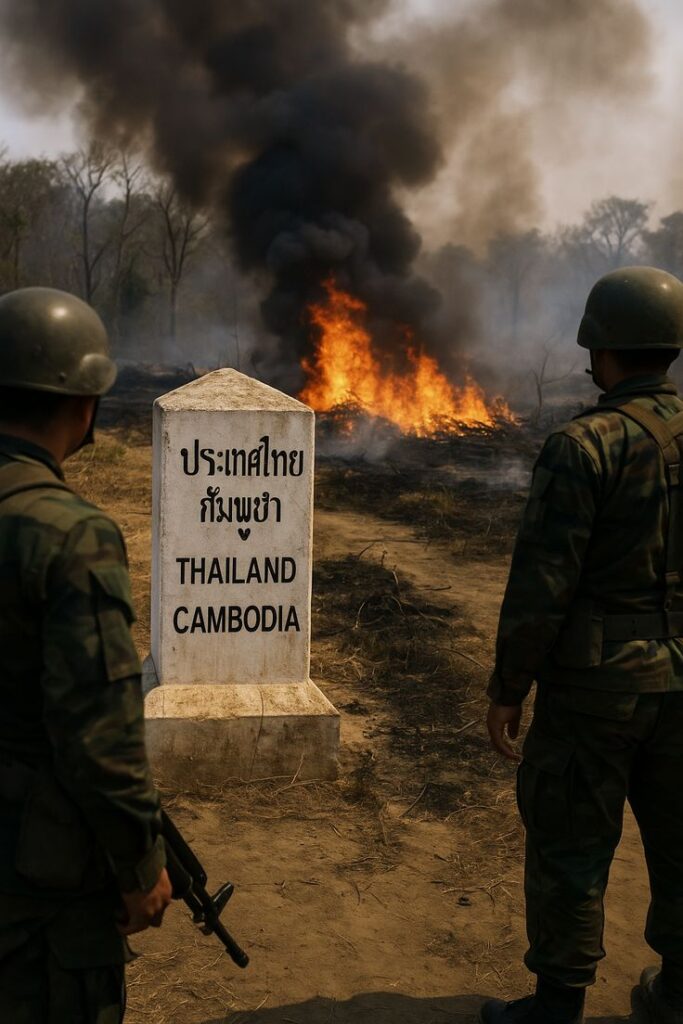
The simmering tension along the Thailand–Cambodia border escalated into its fifth consecutive day of skirmishes, raising new concerns among security analysts about the stability of Southeast Asia’s most fragile fault lines. As exchanges of fire continued near contested border zones, Thai Prime Minister [Name withheld—fictional scenario] confirmed a phone conversation with former U.S. President Donald Trump, adding an unexpected diplomatic twist to an already volatile situation.
Rising Tensions Along a Historic Fault Line
The border between Thailand and Cambodia has long been a symbolic and strategic flashpoint, shaped by decades of competing historical narratives, territorial disputes, and political shifts within both countries. The current wave of fighting—triggered by a combination of troop movements, patrol misinterpretations, and reports of encroachment near forested buffer zones—has intensified beyond typical seasonal flare-ups.
Local sources from both sides described sporadic artillery exchanges, small-arms fire, and evacuations of rural communities caught in the crossfire. Though casualty numbers remain unconfirmed, humanitarian groups have warned that the situation could deteriorate rapidly if negotiations fail to take place.
A Conflict With Regional Ripples
Southeast Asia has experienced relative regional calm in recent years, but analysts argue that even localized border clashes can disrupt the delicate diplomatic architecture maintained by the Association of Southeast Asian Nations (ASEAN).
For Thailand and Cambodia—two nations with complex political landscapes—border confrontations often carry domestic implications. Leaders may face pressure to project strength or maintain nationalist posturing, particularly when internal politics are fragile or contested.
ASEAN, typically cautious in addressing bilateral disputes, has not yet issued a formal collective response. Diplomats, however, report that several member nations are quietly urging both sides to initiate emergency talks before the conflict escalates into a wider crisis.
Thai PM Confirms Call With Trump
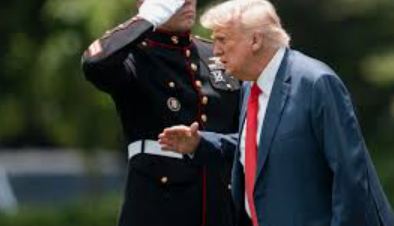
In a development that surprised many political observers, the Thai Prime Minister publicly confirmed a phone conversation with former U.S. President Donald Trump. While details of the call remain unclear, officials indicated that the discussion touched on regional security, trade interests, and the broader geopolitical environment in Southeast Asia.
The acknowledgment sparked speculation about whether Trump—though no longer in office—may be seeking to expand his international political footprint or influence ongoing global events through informal diplomacy. Critics questioned the appropriateness of engaging with a former U.S. president amid an active border conflict, while supporters argued that any channel of communication that reduces tension is welcome.
International relations scholars noted that calls from former political leaders, while unusual, are not unprecedented. However, they emphasized that such communications typically hold symbolic rather than formal diplomatic weight.
Humanitarian Concerns Mount
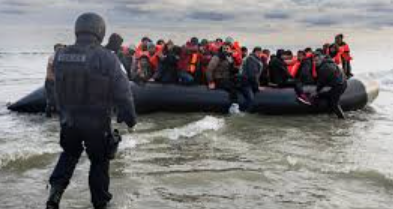
Beyond politics and military engagement, the greatest immediate risk lies with civilians living along the border. Relief workers reported families fleeing into temporary shelters, schools suspending operations, and local markets shutting down as fighting intensified.
Aid organizations urged both governments to create secure corridors for the movement of humanitarian supplies, warning that prolonged instability could lead to shortages of essential goods. The rugged terrain and limited infrastructure in the contested zones make rapid response efforts particularly challenging.
What Comes Next?
As the conflict drags on, the path forward remains uncertain. Several scenarios are now on the table:
- Diplomatic De-escalation: Both sides could agree to a ceasefire and pursue negotiations, possibly mediated by ASEAN or a neutral state.
- Prolonged Stalemate: Low-intensity fighting could continue for days or weeks, with occasional flare-ups but no large-scale offensive.
- Wider Escalation: Miscalculations or political pressure could turn the conflict into a more significant military confrontation.
For now, the border remains tense, the international community watchful, and civilians caught in the crosshairs of a dispute that shows few signs of immediate resolution.
Conclusion
The ongoing clashes between Thailand and Cambodia serve as a sobering reminder of how quickly historic disputes can reignite, drawing in regional dynamics and international attention. The Thai Prime Minister’s confirmation of a conversation with Donald Trump adds a layer of intrigue, illustrating how global political figures—past and present—often find their way into regional conflicts, willingly or otherwise.
As the situation enters its sixth day, the world waits to see whether diplomacy or escalation will define the next chapter of this unfolding story.
References
- 🔹 Border clashes have continued into a fifth day with heavy fighting and significant displacement. Reuters
- 🔹 Thai PM confirmed plans to speak with U.S. President Trump about the conflict late Friday. EFE Noticias
- 🔹 Trump aims to re-establish a ceasefire and salvage a peace deal he helped negotiate. CNA
- 🔹 The clashes are rooted in a long-standing territorial dispute; the collapse of a recent peace accord has heightened regional tensions. Wikipedia