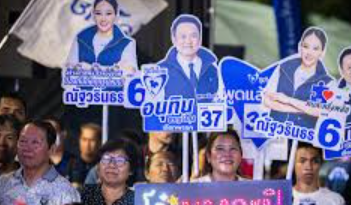
Thailand’s political atmosphere is growing increasingly tense as the country heads deeper into election season, with pro-military messaging emerging as a major theme in the campaign.
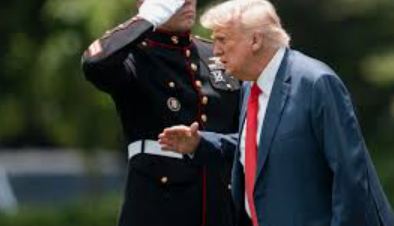
Several parties are now placing national security and military strength at the heart of their platforms, appealing to voters who believe a firm approach is needed during a period of regional uncertainty.
Security Focus Shapes the Campaign
In recent weeks, political speeches and rallies have placed heavy emphasis on protecting Thailand’s borders and preserving stability at home. Analysts say this marks a shift toward a more hawkish tone, with some leaders portraying the armed forces as essential guardians of national order.
The strategy is seen as an attempt to attract conservative and older voters, while also countering reformist movements that have pushed for reduced military influence in politics.
Rising Tensions Along the Cambodian Border
The campaign is unfolding against the backdrop of renewed tensions between Thailand and neighboring Cambodia. While both governments have avoided direct confrontation, border-related disputes and nationalist sentiment have added fuel to political debates.
Some candidates have used the situation to argue for stronger defense policies, claiming Thailand must remain prepared for any external challenges.
A Divided Political Landscape
Thailand’s elections have long reflected a struggle between military-backed establishments and democratic reform advocates. This year’s race appears no different, with voters once again faced with competing visions for the country’s future.
Younger generations continue to demand political change, while traditional power blocs emphasize stability and continuity.
Looking Ahead
As election day approaches, the role of the military in Thailand’s governance remains one of the most polarizing issues. Observers warn that heightened nationalist rhetoric could deepen divisions, but others argue it reflects genuine public concern over security.
For Thailand, the coming vote may not only determine its next government — but also the direction of its democracy in the years ahead.