By Ohiri Paul Chidera,MPA
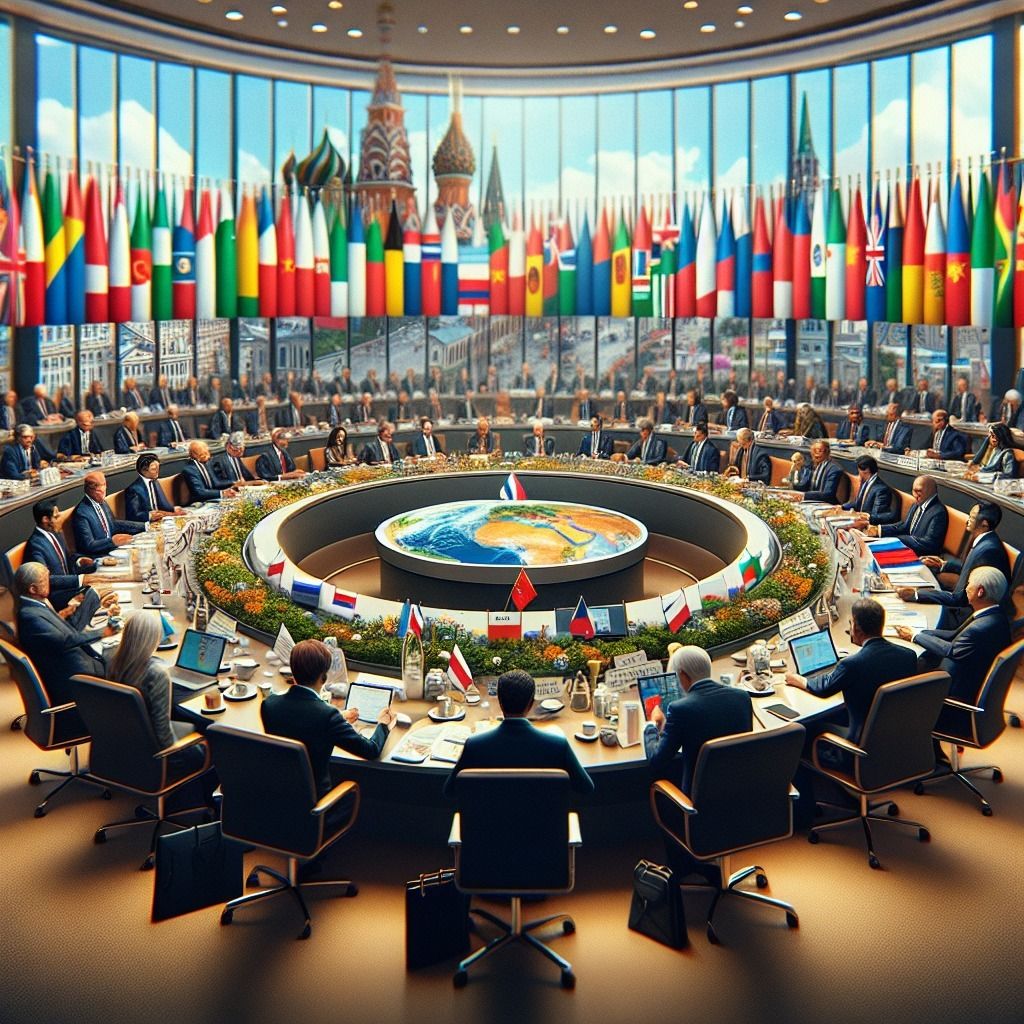
In the grand theatre of human existence, where the chorus of ambition harmonizes with the dissonance of fear, three eternal actors have always commanded the stage—Politics, Development, and Security. They are the trinity of governance, the tripod upon which every civilization, from the dust of Mesopotamia to the digital skyline of the modern metropolis, precariously balances its fate. To understand their nexus is to decode the riddle of order itself; for in their interplay lies both the genesis and the undoing of empires.
From Plato’s Politeia to Kautilya’s Arthashastra, the ancients whispered a timeless truth: where power organizes, prosperity follows, and where justice falters, insecurity breeds rebellion. Politics, in its most refined sense, is not the vulgar contestation for dominion but the sacred architecture of order. Aristotle, ever the realist, viewed it as the master science—“the science of all good for man.” Yet he too conceded the paradox: the same hand that builds the polis can strangle it when greed supersedes virtue. Thus, the first riddle of governance emerges—how can the sword of authority protect without corrupting, and how can liberty flourish without inviting chaos?
Development, the second vertex, is not mere accumulation of wealth or infrastructure but the deliberate harmonization of resources with the moral and intellectual elevation of the citizen. The Pharaohs erected pyramids to immortalize their reign, yet the measure of Egypt’s greatness lay not in stone but in the stability of the Nile’s rhythm—a metaphor for the balance between statecraft and sustenance. In the Confucian ideal, prosperity is inseparable from virtue; the Mandate of Heaven is revoked not when armies lose battles, but when rulers lose moral authority. Thus, development without ethical anchorage becomes a gilded decay—a mirage shimmering on the sands of history.
Security, the final guardian of the triad, is both the womb and the tomb of development. It is born of fear but sustained through faith. Thucydides’ realism remains prophetic: power without security invites conquest, but security without justice breeds tyranny. Every society must therefore solve the ancient puzzle of the Leviathan—how to empower the state enough to defend, yet restrain it enough to preserve freedom. Machiavelli’s Prince, though vilified, understood this duality: “It is not titles that honor men, but men that honor titles.” In essence, security is not a fortress of stone but a covenant of trust between ruler and ruled.
When politics degenerates into factionalism, development stalls; when development falters, insecurity festers; when insecurity reigns, politics collapses into despotism. The fall of Rome, the implosion of the Soviet Union, the fragility of postcolonial states—all bear testimony to this cyclical interplay. The nexus between these three is not linear but dialectical, each shaping and being shaped by the others in an endless feedback loop of stability and decay.
In the modern age, where data is the new gold and cyberspace the new battlefield, the ancient triad persists under new masks. Politics now negotiates algorithms, development counts in bandwidths, and security is encrypted in codes rather than castles. Yet the essence remains unchanged: who commands power, how that power fosters human flourishing, and what safeguards prevent its abuse. The philosopher-king may have been exiled from Plato’s Republic, but his ghost lingers in every policy debate and parliamentary discourse.
So the riddle endures: can there be development without politics, security without justice, or progress without peace? The wise may answer with the silence of understanding—for in that silence lies the echo of civilizations past, whispering that the destiny of nations is always written at the confluence of these three eternal streams.
For as Heraclitus mused, “War is the father of all things”—but only when guided by the mother of wisdom and guarded by the son of justice. Politics births order, development nurtures it, and security defends its fragile soul. Together, they form not a triangle, but a circle—without beginning, without end, yet forever demanding the vigilance of those who dare to govern and the faith of those who consent to be governed.
#PoliticsAndDevelopment #SecurityStudies #PoliticalPhilosophy #GovernanceAndLeadership #Statecraft #NationBuilding #PeaceAndSecurity #PoliticalWisdom #AncientPhilosophy #GlobalGovernance #DevelopmentStudies #EthicsInPolitics #PowerAndJustice #PoliticalTheory #PublicPolicy #InternationalRelations #SocioEconomicDevelopment #PhilosophyOfPower #ModernGovernance #LeadershipAndEthics #CivilizationAndOrder #GlobalStability #StrategicStudies #PoliticalAnalysis #PhilosophyOfGovernance