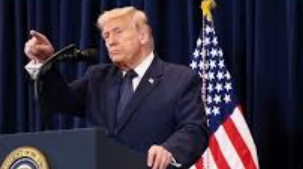
U.S. President Donald Trump has sharply escalated rhetoric in the Middle East crisis, warning that the United States could “obliterate” Iran’s power infrastructure if shipping through the Strait of Hormuz is not restored within 48 hours.
The statement marks one of the most direct ultimatums yet, linking freedom of navigation in the vital oil corridor to the threat of large-scale strikes on civilian energy facilities.
A High-Stakes Ultimatum
According to the warning, Washington is demanding the immediate reopening of Hormuz to global shipping. The narrow waterway carries a significant share of the world’s oil supply, making any disruption a global economic concern.
Trump’s message suggests a clear red line: continued obstruction could trigger decisive military action targeting Iran’s electricity and energy grid—assets critical to both civilian life and industrial activity.
Why Hormuz Matters
The Strait of Hormuz is widely regarded as one of the most important chokepoints in global trade:
- A major portion of the world’s oil shipments passes through it daily
- Even minor disruptions can send energy markets into turmoil
- Shipping routes have already been affected by rising tensions and security risks
Control over Hormuz has long been a strategic lever for Iran, particularly during periods of confrontation with Western powers.
Escalation Risks
The threat to target power plants raises serious concerns among international observers. Energy infrastructure is often considered critical civilian infrastructure, and attacks on such facilities could:
- Cause widespread blackouts
- Disrupt healthcare, water supply, and communications
- Escalate the conflict beyond military targets
Analysts warn that such a move could provoke retaliatory actions from Iran, potentially widening the conflict across the region.
Global Reaction
While there has been no immediate formal international response, the statement is likely to intensify diplomatic efforts to prevent further escalation. Major powers and international organizations have consistently urged restraint, particularly given the risks associated with conflict near vital energy routes.
A Defining Moment
Trump’s ultimatum underscores how quickly the crisis is evolving—from military strikes and retaliations to economic warfare and strategic threats.
With the 48-hour window now in focus, the coming days could prove decisive. Whether the situation moves toward de-escalation or deeper confrontation may hinge on what happens in one of the world’s most critical waterways.