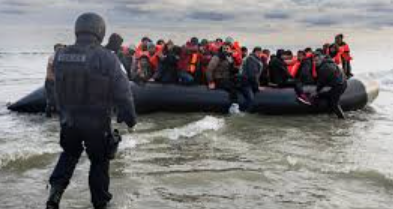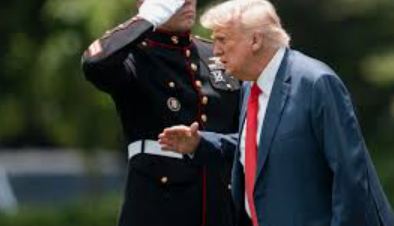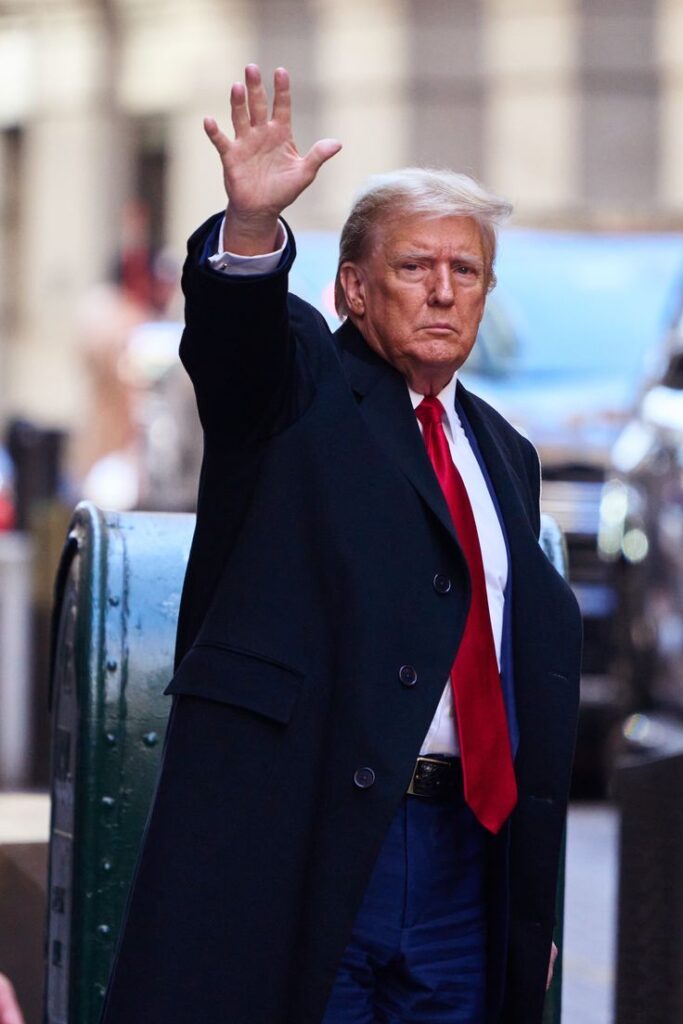
In a major escalation of U.S. immigration policy, President Donald Trump’s administration has already enacted a broad travel and visa ban, expanding restrictions to cover dozens of countries and affecting millions of would-be travelers seeking to enter the United States.
The latest measures, announced in December 2025 and set to take effect January 1, 2026, significantly widen the scope of earlier restrictions, marking one of the most sweeping immigration actions in recent American history.
What the Ban Does Now
Rather than being just a proposal, the travel ban is already in force as official policy (or legally published and scheduled to take effect), applying to nationals of 39 countries who now face full or partial bans on entry to the United States.
Under the expanded ban:
- Five additional countries — Burkina Faso, Mali, Niger, South Sudan, and Syria — are now on the list of nations whose citizens are completely barred from entry.
- People holding Palestinian Authority–issued travel documents are also prohibited from entering the U.S. under the proclamation.
- Fifteen other countries — including Nigeria, Ivory Coast, Angola, Senegal, and Tanzania — now face partial restrictions that limit certain types of visas and entries.
The policy applies to both immigrant and nonimmigrant visas (tourist, student, work, etc.), though exemptions exist for lawful permanent residents, diplomats, athletes, and others whose entry is deemed to serve U.S. interests.
Why the Administration Expanded the Ban
According to the White House, the travel ban reflects national security and vetting concerns. Officials have cited issues such as:
- Inadequate screening systems or unreliable civil documentation in affected countries.
- High visa overstay rates and resistance by some governments to cooperate on deportations or information sharing.
- Perceived security risks tied to terrorism, conflict, or governance instability.
Supporters argue the ban strengthens U.S. border security and modernizes vetting enforcement.
Broad Impacts Beyond Borders
The expanded travel ban has wide-ranging implications:
- Families and individuals: Those planning to study, work, reunite with relatives, or travel for tourism may now face barriers.
- Economic sectors: Industries reliant on international talent — especially higher education, tech, and healthcare — could be disrupted.
- Diplomacy: Excluded countries may interpret the ban as punitive, complicating bilateral cooperation on security, trade, and migration.
- Legal challenges: Civil rights groups and immigration advocates argue the ban is discriminatory and may spur lawsuits.
How This Differs from Past Travel Restrictions
Unlike Trump’s controversial 2017 travel ban, which targeted specific Muslim-majority countries and was challenged in courts, the current policy is already implemented and has been broadened to include a mix of African, Middle Eastern, Caribbean, and other nations.
It is not merely a campaign pledge — it is a policy reality with legal force and clear, enforceable consequences for travelers and would-be visitors.
Conclusion
The expansion of the U.S. travel ban under President Trump represents a significant shift in U.S. immigration policy, expanding far beyond past restrictions and affecting a large portion of the world. While proponents emphasize security and control, critics warn of discrimination and global fallout. As the new restrictions begin to take effect, their full social, economic, and diplomatic impacts are likely to become increasingly visible.
📌 References
- The Trump administration has officially expanded its travel ban to cover 39 countries, adding new full and partial entry restrictions on citizens from nations including Burkina Faso, Mali, Niger, South Sudan, and Syria. AP News+1
- The expanded restrictions also apply to individuals holding Palestinian Authority travel documents and include partial visa limits on a range of other countries. ThisDayLive
- The announcements came through a White House proclamation indicating concerns about national security, document reliability, and visa overstays, and the policy is set to take effect on January 1, 2026. businesstoday.in