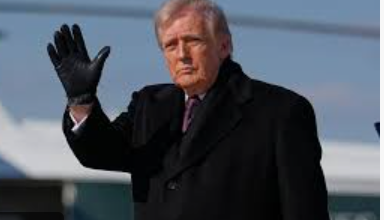
U.S. President Donald Trump has issued a stark warning to Iran, signaling a potential escalation in the ongoing Middle East conflict while simultaneously calling for restraint from Israel.
In a strongly worded statement, Trump said Israel would not carry out further strikes on Iran’s critical gas infrastructure, particularly the strategically vital South Pars gas field. However, he warned that the United States would respond with overwhelming force if Iran launches additional attacks on energy facilities in Qatar.
A Conditional Deterrence Strategy
Trump’s remarks come after a dramatic escalation in hostilities, triggered by an Israeli strike on Iran’s South Pars gas field—an asset central to Iran’s economy and global energy supply.
While distancing Washington from direct involvement in the Israeli operation, Trump made it clear that any Iranian retaliation against Qatar would cross a red line.
According to reports, he warned that the U.S. would “massively” strike Iranian energy infrastructure if Qatar—one of Washington’s key regional allies—is targeted again.
Israel Urged to Hold Back
In a notable shift in tone, Trump also indicated that Israel should refrain from further attacks on Iranian energy facilities. The move appears aimed at preventing further destabilization of global energy markets and limiting the خطر of a broader regional war.
The Israeli strike on South Pars marked a significant escalation, as it targeted the world’s largest natural gas field—shared between Iran and Qatar—and a cornerstone of regional energy supply
Iran’s Retaliation Expands Conflict
Following the strike, Iran launched retaliatory attacks that reportedly hit energy infrastructure in Qatar and other Gulf states, widening the scope of the conflict and raising alarm across the region.
Qatar condemned the attacks, describing them as violations of international law, while also emphasizing its non-involvement in the initial Israeli operation.
Global Energy Markets on Edge
The escalation has had immediate consequences for global energy markets. Attacks on critical infrastructure—including gas facilities and transit routes—have disrupted supply and fueled volatility.
Analysts warn that continued targeting of energy assets could trigger a deeper global energy crisis, with oil and gas prices already surging amid uncertainty
A Fragile Balance
Trump’s dual message—restraining Israel while threatening Iran—reflects a محاولة to balance deterrence with de-escalation. However, the situation remains highly volatile, with the risk of further retaliation still looming.
As tensions rise, the безопасность of critical energy infrastructure in the Gulf—and the stability of global markets—hang in the balance.