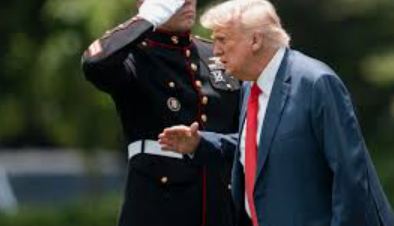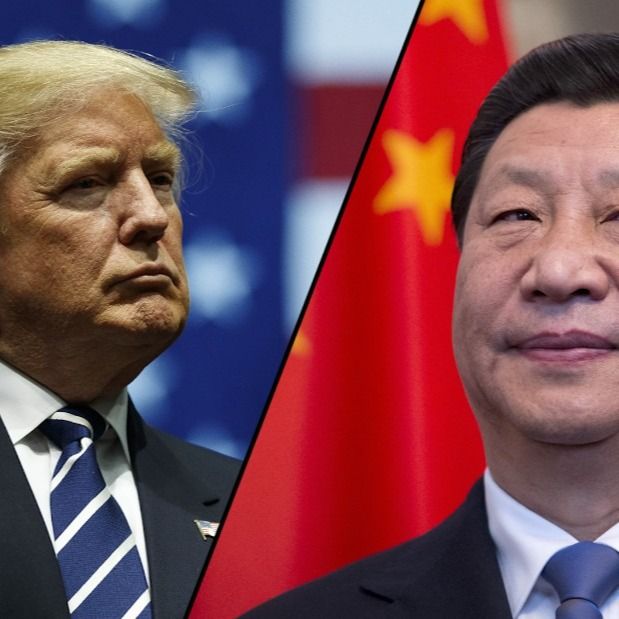
A high-visibility meeting between Donald Trump and Xi Jinping during the Asia‑Pacific Economic Cooperation (APEC) gathering recently created considerable global attention: both sides declared a positive step toward de-escalation in trade tensions, yet beneath the rhetoric lies a strategic rivalry that remains deeply entrenched. Reuters
On the surface, the meeting emphasised tariff reductions and resumption of rare-earth exports from China to the U.S. but analysts noted the “new era of confrontation” persists—especially centred on the Taiwan question, military build-up, and technology competition. Reuters
For policy-observers, this moment underscores three intertwined dynamics:
- Politics: U.S. leadership seeks to frame China not merely as economic competitor but as strategic peer-adversary, while China continues to assert reunification of Taiwan as non-negotiable.
- Development: Both countries recognise that global supply-chains, technology leadership (AI, chips, rare earths) and economic infrastructure investments are central to long-term influence.
- Security: The pivot from trade war to strategic competition elevates military, cyber and space domains—in effect, economic policy becomes national-security policy.
In short, while diplomacy may ease immediate tensions, the underlying architecture of competition remains. States and corporations alike must navigate this reality: words matter, but capabilities determine the outcome.
#USChinaRelations #GlobalPolitics #StrategicRivalry #TradeAndSecurity #TaiwanStrait #InternationalRelations #Geopolitics2025 #Diplomacy #ChinaPolicy #USForeignPolicy