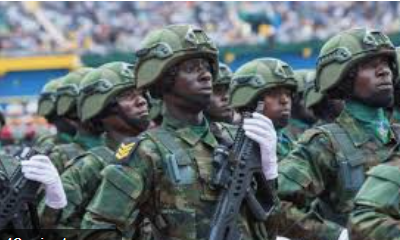
Paul Kagame, President of Rwanda, is facing renewed diplomatic pressure after the United States imposed sanctions on the Rwanda Defence Force (RDF) and four of its top commanders.
Washington accused the sanctioned officials of providing direct operational support to armed groups involved in ongoing conflict in eastern Democratic Republic of Congo (DRC), a region plagued by years of instability, violence, and humanitarian crises.
Details of the Sanctions
According to U.S. authorities, the measures include asset freezes and restrictions on transactions under U.S. jurisdiction. The sanctions are aimed at holding individuals accountable for actions that allegedly undermine regional peace and violate international norms.
U.S. officials said the decision reflects growing concern over Rwanda’s alleged military involvement beyond its borders, despite repeated denials from Kigali.
Rwanda’s Response
Rwandan authorities have consistently rejected accusations of supporting armed groups in eastern DRC, arguing that Rwanda’s primary security concern is the presence of hostile militias near its borders. The government maintains that the RDF operates strictly in defense of national security and regional stability.
No immediate response was issued by President Kagame following the U.S. announcement, though Rwanda has previously described similar allegations as politically motivated and lacking credible evidence.
Regional and Diplomatic Implications
The sanctions mark a significant escalation in U.S.–Rwanda relations and could complicate ongoing diplomatic efforts to stabilize the Great Lakes region. Rwanda is a key security partner for Western nations and a major contributor to peacekeeping missions across Africa.
Analysts warn that the move may strain multilateral mediation efforts involving regional blocs and international partners seeking to de-escalate tensions between Rwanda and the DRC.
Broader Context
Eastern DRC has remained a flashpoint for regional conflict, with multiple armed groups operating in mineral-rich areas. Allegations of cross-border involvement by neighboring states have long fueled diplomatic tensions and hindered peace initiatives.
The U.S. said it would continue to work with regional and international partners to push for accountability, de-escalation, and a political solution to the conflict.