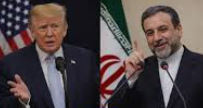
The conflict between the United States and Iran remains active, with no confirmed ceasefire agreement in place despite intensified diplomatic signaling and a temporary pause in select military actions.
Recent statements from President Donald Trump have pointed to “productive” engagements and the possibility of progress toward de-escalation. The U.S. administration has reportedly delayed certain planned strikes, framing the move as an opportunity to advance negotiations. However, these overtures coexist with continued military readiness, underscoring a dual-track strategy of pressure and diplomacy.
At the core of the impasse are fundamentally opposing ceasefire conditions.
Washington’s position centers on far-reaching security demands. These include the complete cessation of Iran’s nuclear program, curbs on missile capabilities, and an end to support for regional proxy groups. The United States has also emphasized the need to guarantee freedom of navigation in strategic waterways, particularly the Strait of Hormuz—a critical artery for global energy supplies.
Tehran, by contrast, has advanced a set of conditions rooted in sovereignty and security assurances. Iranian officials have called for an immediate halt to U.S. and allied military operations, legally binding guarantees against future attacks, and compensation for wartime damage. Notably, Iran has publicly denied that direct negotiations are taking place, highlighting the opacity and sensitivity surrounding any potential diplomatic channels.
This sharp divergence in objectives has so far prevented the emergence of a mutually acceptable framework for ceasefire. While indirect or backchannel communications—reportedly facilitated by regional intermediaries—may be underway, both sides remain entrenched in positions that are, at present, difficult to reconcile.
Beyond the battlefield, global markets have responded to even tentative signs of diplomacy. Fluctuations in oil prices and investor sentiment reflect the high stakes of the الأزمة, particularly given the strategic importance of Middle Eastern energy flows.
For now, the situation can best be characterized as a fragile and fluid standoff: active conflict tempered by limited diplomatic openings. Whether the current pause in escalation evolves into a substantive peace process—or collapses into renewed confrontation—will depend on the ability of both parties to bridge deeply rooted strategic and political divides.
As the international community watches closely, the coming days are likely to prove decisive in determining whether diplomacy can gain traction or whether the conflict will intensify further.