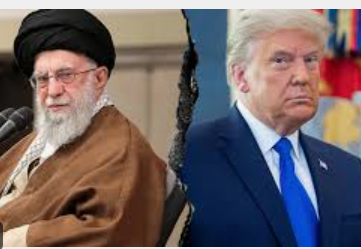
Tensions between the United States and Iran have intensified after President Donald Trump issued a stark
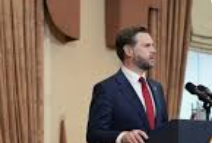
warning to Tehran regarding the strategic Strait of Hormuz. In his statement, Trump indicated that the U.S. could target critical infrastructure, including power facilities, if Iran does not take immediate action to ensure the free flow of maritime traffic.
Trump’s Warning
President Trump framed the message as an ultimatum, emphasizing that inaction could trigger severe consequences for Iran’s energy and infrastructure sectors. While he did not announce a scheduled military strike, his language made it clear that the U.S. is prepared to take decisive measures if necessary. Analysts note that the warning is part of a broader strategy to pressure Iran to comply with international norms and reopen the Strait of Hormuz—a vital corridor for global oil shipments.
Iran’s Response
Iran reacted firmly, rejecting the warning and framing it as an attempt to coerce the country into submission. Officials in Tehran reiterated their commitment to national sovereignty and warned that any aggressive actions against Iranian infrastructure would be met with proportional responses. Iranian statements also suggested skepticism toward U.S. intentions, signaling that trust between the two nations remains extremely low.
Regional and Global Implications
The situation has raised alarm internationally. The Strait of Hormuz is a key route for the world’s oil supply, and any disruption—real or threatened—has the potential to ripple across global markets. Governments, energy companies, and financial institutions are closely monitoring the standoff, as uncertainty in the region could lead to price volatility and supply disruptions.
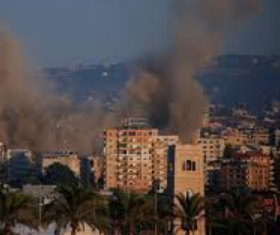
Beyond economics, experts warn of potential humanitarian and security consequences. Attacks on critical infrastructure, such as power plants, could affect civilian populations and escalate tensions across the Gulf region, drawing in neighboring countries and complicating diplomatic efforts.
The Path Ahead
While both sides are issuing strong statements, no confirmed military action has yet taken place. Diplomatic channels remain uncertain but potentially viable, depending on how each side navigates the standoff. Observers agree that the coming days will be crucial in determining whether the situation escalates further or de-escalates through negotiation.
The current standoff underscores the fragility of U.S.–Iran relations and highlights the strategic importance of the Strait of Hormuz. How each side chooses to act could have wide-ranging implications for regional stability, global energy markets, and international diplomacy.
BreakingNews #Trump #Iran #Geopolitics #MiddleEast #GlobalTensions #OilMarkets #WorldNews